
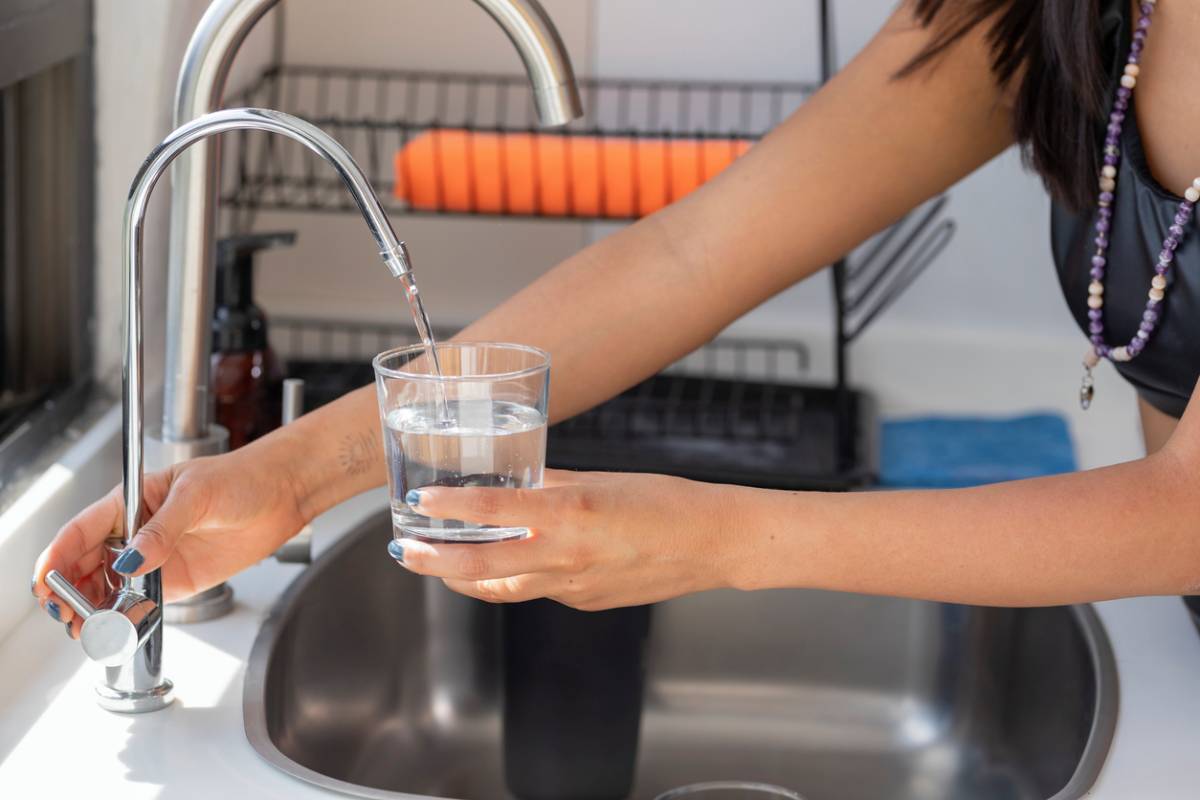
Water is crucial to health and wellness. Among other things, it regulates body temperature, helps flush out toxins, lubricates the joints, aids in blood circulation, distributes minerals to the organs, and keeps the skin moisturized. Unfortunately, there are cases in which the water intended to keep people healthy becomes a source of health problems. To avoid such complications, it is essential to ensure that your drinking water—whether from a tap at home or sourced from commercial beverage equipment—is clean and safe to consume. Still, trying to determine the safety of your water can lead to the question, “Is filtered water healthier than tap water?” And the answer is: It depends.
Although there are many areas where water is regulated and is generally safe to drink, filtering it can offer added benefits depending on your local water quality, personal health needs, taste preferences, and how water is used in daily life.
Is Filtered Water Healthier than Tap Water?
Understanding Tap Water
In most developed countries, tap water is treated to meet strict safety standards. For example, in the United States, the Environmental Protection Agency regulates more than 90 contaminants in public water systems. These contaminants include bacteria, lead, and pesticides.
While water systems are usually effective, contamination can still occur. Factors such as aging infrastructure, outdated plumbing, and local pollution can impact water quality. For example, lead can leach into drinking water from old pipes in old residential and commercial buildings. Runoff from agricultural activities can introduce nitrates and other chemicals into water sources. In addition, chemicals used to treat water, such as chlorine and chloramine, can affect the taste and produce byproducts that many people try to avoid.
What Does Water Filtration Do?
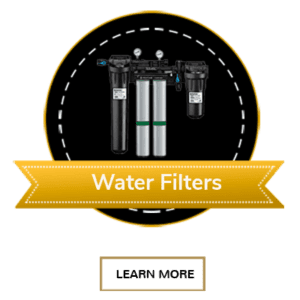
Water filters remove specific impurities from water. Different types of water remove different types of impurities.
- Activated Carbon Filters: Used to remove chlorine, sediment, and volatile organic compounds (VOCs).
- Reverse Osmosis Systems: Used to remove a wide array of contaminants like heavy metals, salts, and bacteria
- UV Filters: Allow you to kill bacteria and viruses without using chemicals and without changing the taste of water.
- Ion Exchange Filters: Replace calcium and magnesium ions with sodium or potassium to soften hard water
Benefits of Filtered Water
There are several known benefits of filtered water.
- Reduced Contaminants: Filtering water allows you to enjoy water that is free from contaminants such as lead, chlorine, pesticides, microplastics, and heavy metals.
- Improved Taste and Smell: Many people agree that filtered water tastes better. This is usually because filtered water is free from chlorine and sulfur.
- Better for Vulnerable Groups: Filtered water with fewer contaminants may be more beneficial and safer for infants, pregnant women, older people, and immunocompromised individuals
- Fewer Bottles, Less Plastic: Filtering water at home reduces the need to buy bottled water. This can help you save money and contribute to environmental conservation.
- Removal of Forever Chemicals: One of the most concerning chemicals that may be present in tap water is PFAS, also known as “forever chemicals.” They can stay in the environment without ever degrading, and they cause a variety of health issues like reduced fertility, cancer, and liver damage, to name a few. Water filters can help remove these chemicals, ensuring you and your family are safe from them.
- Peace of Mind: Filtering water at home provides added assurance. This is especially true if you are located in an area with questionable water quality.
When Tap Water Is Enough
If your area is known for having good-quality drinking water and your plumbing is relatively new, tap water may already be safe to drink. You may also request a water quality report from your local provider to determine what exactly is in your water.
Ice Makers
If you use ice makers at home or in a commercial setting, filtered water makes a great difference. Filtered water produces clearer and better-tasting ice. Additionally, filtering your water can also help reduce the chemical buildup that can damage your appliances.
What Is Best for You?
So, is filtered water healthier than tap water? In most cases, yes, especially if your local area has a known water quality issue or if you belong to a sensitive population. However, if you can be certain that your tap water is clean and tastes fine, there may be no need to filter it. Remember that there is also such a thing as overfiltering, which may strip water of minerals that are beneficial for you.
If you think you need to filter your water, please get in touch with us through our website so we can discuss how we can help ensure that you have safe and healthy drinking water available at all times.