
Just as in homes, clean and safe water is essential in every commercial facility. It may be a hospital, a restaurant, a manufacturing plant, an office building, or a school. Commercial water filtration systems play a crucial role in protecting equipment, ensuring water quality, and maintaining compliance with health and safety standards. Because the water filtration system needs to be changed from time to time, a professional beverage equipment installation and service is something you can consider. This leads to the question, how often should commercial water systems be changed?
How Often Should Commercial Water Filter Systems Be Changed?
Although it may seem a simple question, the answer is not as simple. Various factors such as filter type, water quality, usage volume, and industry requirement. To create an effective maintenance schedule, avoid costly downtime, and contamination issues.
Why Regular Filter Replacement Matters
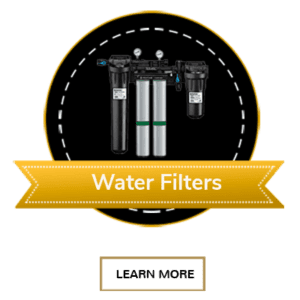
Commercial water filters are designed to trap sediment, chlorine, heavy metals, bacteria, and other contaminants. When these filters become saturated over time, the filtration is no longer as effective. The quality of the water declines and worse, the system may even begin to release trapped contaminants into the water supply.
Failure to change the filter can lead to:
- Poor water taste and odor
- Reduced water pressure
- Increase wear and damage to equipment
- Higher energy cost
- Health and regulatory compliance risks
General Guidelines for Commercial Filter Replacement
Although manufacturers give recommendations, the following timeframes serve as general industry guidelines:
Sediment Filters
These are the filters that protect downstream components by removing sand, rust, and particulate matter. They usually have to be replaced every 3-6 months. You may need to replace facilities with high turbidity or older plumbing more frequently.
Carbon Filters
Activated carbon filters are used to remove chlorine, chemicals, and odors. They generally require replacement every 6-12 months. However, high water usage or elevated chlorine levels can make replacement necessary earlier.
Reverse Osmosis (RO) Pre-Filters
RO systems rely on pre-filters to protect the membrane. They are usually replaced every 6-12 months while the RO membranes themselves can last up to 2 to 3 years with proper maintenance.
Ultraviolet (UV) Filters and Lamps
Although UV filters do not clog, the lamps lose their effectiveness over time. UV lamps should be replaced at least once a year.
Specialty or Industry-Specific Filters
Some industries such as healthcare, food processing, and pharmaceutical facilities may need more frequent changes. This is because the regulation standards and contamination risks for these industries are higher.
Factors That Affect How Often Filters Are Changed
Water Quality
Facilities using municipal water with high sediment, chlorine or mineral content experience faster filter saturation. Regular water testing can help you determine when replacement should be done.
Usage Volume
High-demand environments such as hotels, restaurants, and factories use more water. This makes it necessary for them to change their filters more frequently.
Type of Facility
Some facilities such as healthcare, food service, and laboratories, which are governed by health codes follow stricter schedules.
System Monitoring and Pressure Drop
Commercial systems often include pressure gauges or monitoring alerts. A drop in pressure will tell you that you have a clogged filter that needs urgent replacement.
Signs Your Commercial Water Filter Needs Changing
The schedule serves as a guide but you should remain vigilant and watch out for any warning signs.
- Cloudy or discolored water
- Unusual taste or odor
- Reduced flow rate
- Increased scale buildup on equipment
- Failed water quality tests
You can prevent system damage and service interruptions if these issues are promptly addressed.
Best Practices for System Maintenance
- Follow the guidelines from the manufacturer
- Keep a detailed documentation of all maintenance
- Schedule routine inspections
- Use certified replacement systems
- Teach staff to recognize early warning signs
Partnering with a professional water treatment can ensure compliance and optimal system performance.
Protect your equipment, ensure water safety, and keep your operations efficient by staying proactive with maintenance. If you are looking for a partner who can help you maintain your water filter system, call us today to discuss your goals.