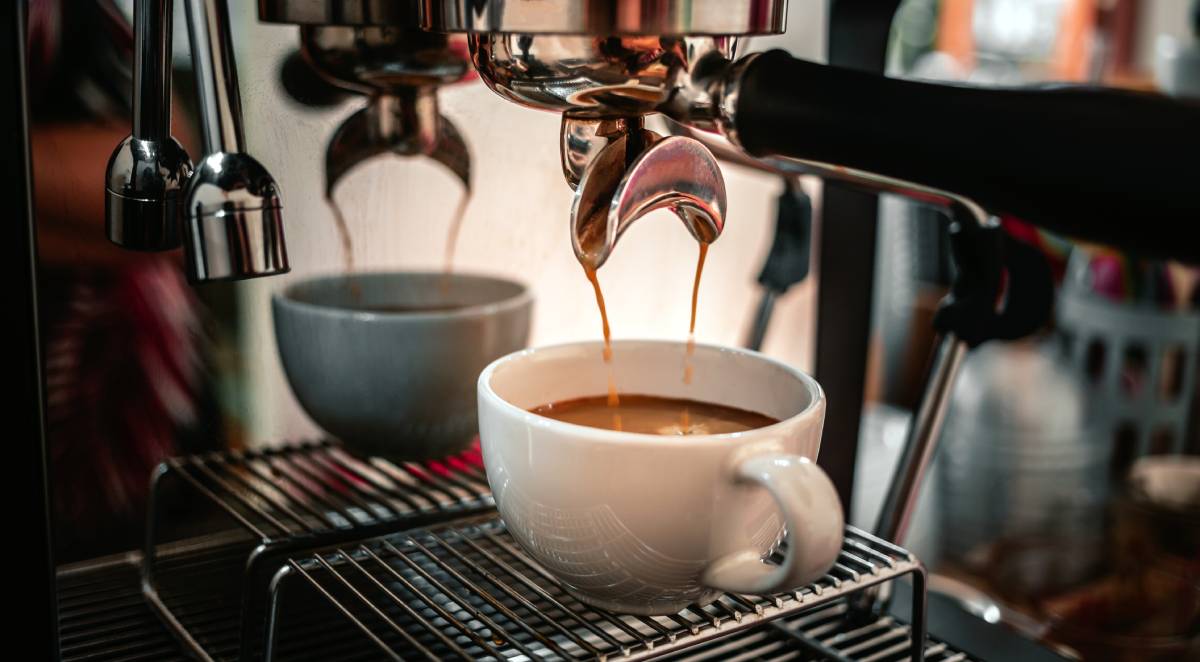
Care Tips for Coffee Machines

Good-quality coffee equipment can elevate your daily experience and enjoyment of your beverages. However, like any appliance, a coffee machine requires proper care to keep performing at its best and producing great-tasting coffee. In this article, we discuss care tips for coffee machines.

Care Tips for Coffee Machines

Let us look at simple care tips every coffee machine owner should follow.

Clean Your Machine After Every Use

Daily cleaning is the most essential part of effective coffee machine care. If you do not clean your coffee machine regularly, the oils in coffee beans will build up and become rancid. Additionally, water leaves mineral deposits, which can clog the machine’s internal components, affect water flow, and alter the taste of your beverages.

After every brewing cycle, remove coffee grounds or used pods and empty the drip tray. For drip machines, discard the filter, rinse the brew basket, and wipe the exterior with a damp cloth. Espresso machines should have their portafilters and group heads rinsed immediately after use to prevent coffee buildup. Pod machines simply need their used capsules removed and the machine wiped down.

Descale Regularly

Water deposits (scale), as mentioned above, need to be removed every 1 to 3 months to prevent them from clogging the machine over time. You can use a commercial descaling solution or a simple mixture of white vinegar and water. Run the solution through the machine, followed by several cycles of clean water to remove any remaining flavor.

Use Only Fresh and Clean Water

The quality of water you use in your coffee machine plays an important role in both the taste of your beverages and the longevity of your equipment. We recommend avoiding unfiltered tap water, as it can increase buildup in your coffee machine. However, distilled water also should not be used for espresso machines, as it lacks the minerals needed for proper pressure regulation.

Replace Filters and Seals Regularly

Many coffee machines include water filters, such as charcoal filters in drip machines or mesh filters in espresso units. As a rule, you should replace these filters every 1-3 months, depending on how much you use your machine, to ensure consistent water flow.

Rubber seals and gaskets also wear out over time, especially in espresso machines that involve pressure. Regularly check the seals and gaskets for cracks and replace them accordingly to prevent leaks.

Backflush Espresso Machines

Backflushing is an important part of maintenance for coffee machines with a three-way valve. Backflushing removes oils and coffee particles from internal components of your machine. Typically, this is done by using a blind filter basket and a dedicated cleaning powder. We recommend backflushing weekly for home-use machines and daily for cafe-use machines.

Clean the Grinder (If Integrated into Your Coffee Machine)

If a grinder is integrated into your coffee machine, keeping it clean will ensure consistent grinding and beverage flavor. Also, it prevents coffee grinds from becoming stale and clogging the burrs.

To clean the grinder, brush it out weekly and run grinder-cleaning tablets periodically. Never use water on an electric grinder, as it can damage the motor and cause the grinder to clump.

Follow the Manufacturer’s Guidelines

There are no universal rules for servicing every coffee machine, as they can vary depending on the machine’s type, configuration, and brand. When in doubt about how to properly service your coffee machine, consult the manufacturer’s user manual. This way, you will ensure proper care and protect your warranty.

Store Beans Properly

Storing beans properly is not directly a part of your coffee machine maintenance. However, it can help reduce oil buildup in grinders and improve the taste of your beverages. We recommend storing beans in an airtight container, keeping them away from heat, light, and moisture. Additionally, avoid refrigerating or freezing beans, as this can introduce moisture that may affect grinder performance.

Get High-quality Beverage Equipment at SC Bev

Do not hesitate to visit the SC Bev store to order high-quality beverage equipment and enjoy long-lasting, reliable performance and the superior taste of your beverages.

Share this post: Share on FacebookShare on Google+Tweet about this on TwitterShare on LinkedIn

How Much Caffeine Is Too Much?

Commercial coffee makers can be a fantastic addition to your kitchen or office, allowing for quick and convenient daily coffee-making and producing exquisitely tasty drinks. However, easy access to your favorite drink might make you reach out for it more often than is good for you. So, how much caffeine is too much? In this article, we address this question.

How Much Caffeine Is Too Much?

Generally, consuming up to 400 mg of caffeine per day (approximately 4 cups of brewed coffee) is considered safe. However, we recommend taking your personal general and mental health into account when it comes to deciding how much caffeine per day is safe for you.

Overconsumption of coffee can have several drawbacks, such as:

  • Sleep disruption or insomnia, especially if you consume coffee in the evening or late in the afternoon, since caffeine remains in your system for up to 6 hours.
  • Agitation, anxiety, and increased heart rate and blood pressure
  • Increased acidity and discomfort in the stomach
  • Caffeine dependence and withdrawal symptoms, such as irritability and headaches
  • Weight gain and other health issues occur if you add sugar, syrups, or cream to your coffee.
  • Decreased absorption and effectiveness of some medications and supplements or an increase in their side effects (for example, for thyroid and osteoporosis medications, iron supplements, some antibiotics, some antidepressants, and antipsychotics).

If you experience any of the issues listed above, it may be a sign that your caffeine intake is too high, particularly for you, even if you stay within the recommended daily limit of 400 mg. Try reducing the number of your daily cups, abstain from drinking coffee in the afternoon and later, or consult your doctor. We also recommend talking to your doctor regarding the safety of coffee drinking in your case, if you have general or mental health issues, or are taking medication and supplements.

Does Caffeine Have Any Health Benefits?

If you drink coffee in moderation and do not experience any adverse side effects, caffeine can provide several benefits for your body:

Boost of Antioxidants

Antioxidants found in high-quality coffee include:

  • Chlorogenic acid
  • Melanoidins
  • Caffeic acid
  • Quinic acid

These antioxidants can be beneficial for reducing inflammation, preventing some diseases, and increasing cognitive function.

Cognitive Boost & Mental Health Benefits

Caffeine stimulates the central nervous system. It works by prompting the release of some neurotransmitters (noradrenaline, dopamine, and serotonin). As a result, it can improve memory, focus, mood, and energy.

Reduced Risk of Some Diseases

Studies suggest that 3 to 4 cups of good-quality coffee per day can help reduce the risk of such conditions as:

  • Type 2 diabetes (coffee drinkers may have a 20–30% lower risk of developing this disease)
  • Parkinson’s Disease
  • Alzheimer’s disease (coffee can lower the risk of this condition by up to 65%)
  • Liver conditions, such as cirrhosis and cancer
  • Stroke and heart failure (long-term moderate intake of coffee can lower the risk of these conditions)

Which Type of Coffee Has the Most Health Benefits?

The type of coffee, how it’s prepared, and what you add to it can influence the number of benefits (or drawbacks) of your drink:

  • Brewed black coffee (or espresso) with no additives has minimal calories and is rich in natural antioxidants.
  • Cold Brew coffee has lower acidity and thus is gentle on the stomach, but still retains antioxidants. Some cold brews can be more caffeinated per ounce, so be mindful of your total intake.
  • Latte or cappuccino (options with milk) can provide calcium and protein, but can add calories and sugar.
  • As we mentioned before, coffee with cream, sugar, or syrups may potentially cause more harm than good, especially if consumed regularly.

Get Your Coffeemaker at SC Bev

Get high-quality beverage equipment at SC Bev to enjoy delicious coffee every day.

Share this post: Share on FacebookShare on Google+Tweet about this on TwitterShare on LinkedIn

Is Coffee Good for You?

Nowadays, commercial coffee makers are becoming an essential piece of equipment in more and more homes. Coffee is one of the favourite beverages of many people, but is coffee good for you? In this article, we talk about the benefits and potential drawbacks of this delicious beverage.


Is Coffee Good for You?

According to studies, coffee has multiple health benefits. Let us look at each of them in more detail:


Coffee Is Rich in Antioxidants

Coffee contains a variety of antioxidants, such as chlorogenic acid, melanoidins, caffeic acid, and quinic acid. Antioxidants can help reduce inflammatory processes in the body, aiding in the prevention of heart disease and improving cognitive function.

The amount of antioxidants in coffee depends on the type of coffee bean, the roasting process, and the brewing method.


Coffee Can Provide Cognitive Boost & Mental Health Benefits

Caffeine is a central nervous system stimulant that can enhance memory, mood, focus, and energy levels. It works by interacting with adenosine (a neurotransmitter in your brain that promotes sleep) receptors. Caffeine also stimulates the central nervous system by promoting the release of such neurotransmitters as noradrenaline, dopamine, and serotonin.


Coffee Can Reduce the Risk of Some Diseases

Multiple studies suggest that moderate coffee consumption (about 3–5 cups per day) is associated with a reduced risk of several serious conditions:

  • Type 2 diabetes: Regular coffee drinkers may have a 20–30% lower risk of developing the disease.
  • Parkinson’s Disease: Caffeine appears to have a protective effect.
  • Alzheimer’s disease: Some studies suggest that regular, moderate coffee consumption lowers the risk of developing Alzheimer’s disease
  • Liver conditions: Coffee may help protect against liver cirrhosis and liver cancer.
  • Heart disease: While excessive caffeine can temporarily raise blood pressure, long-term moderate intake may lower the risk of stroke and heart failure.


Potential Drawbacks of Coffee

As with any food or drink, even if it has a variety of health benefits, it can have drawbacks if overconsumed:

  • Sleep disruption can occur if you consume coffee late in the afternoon or evening, as it can remain in your system for up to 6 hours. Remember that sleep disruption or insomnia can have a negative impact on your overall health.
  • Coffee can increase acidity and discomfort in the stomach, particularly for individuals with acid reflux or sensitive digestive systems.
  • Excessive coffee intake can cause agitation and anxiety, and increase heart rate and blood pressure.
  • Regular and excessive caffeine consumption can lead to dependence, resulting in withdrawal symptoms like headaches and irritability.
  • When you add sugar, cream, and syrups to your coffee, it can become a high-calorie drink that can contribute to weight gain and other health issues. Only black coffee is almost calorie-free. Additionally, the sugar you add to your coffee can counteract the benefits of the coffee itself and exacerbate other issues. 
  • Coffee can interfere with the absorption or effectiveness of certain medications and supplements, or increase their side effects. Such medications and supplements include thyroid and osteoporosis medications, iron supplements, some antibiotics, some antidepressants, and antipsychotics.

If you have general or mental health issues or are taking medication and supplements, consult your doctor regarding the safety of coffee drinking in your case. Sometimes, just separating the intake of coffee and medication can be enough to prevent interference. Additionally, opt for drinking coffee in the first half of the day to maximize the energy-boosting effect without causing sleep disturbances.  


Get High-Quality Beverage Equipment at SC Beverage

Coffee is a delicious beverage that offers numerous health benefits and provides a mood-boosting and energy-boosting effect when prepared properly and consumed in moderation. High-quality beverage equipment at SC Beverage will help you perfect the preparation of this fantastic drink.


Share this post: Share on FacebookShare on Google+Tweet about this on TwitterShare on LinkedIn

How to Balance Cost and Sustainability in Coffee Packaging

Though the rising demand for sustainable products is a positive step for the well-being of the environment, it does pose a challenge to some businesses. Those in the coffee industry, in particular, face an increasing challenge to balance eco-friendly packaging with cost efficiency. Eco-friendly packaging is a significant factor in lessening the environmental footprint of a business, something that will benefit the larger society. Meanwhile, affordability is a crucial factor in staying competitive and keeping your business alive. Balancing these is a big challenge, but it can be done. If you are trying to balance cost and sustainability in coffee packaging and beverage systems, here are some strategies you can try without compromising product quality and brand identity.


How to Balance Cost and Sustainability in Coffee Packaging

To understand how to balance cost and sustainability, you must first have a decent understanding of sustainable coffee packaging. Sustainable coffee packaging refers to materials and designs with the minimum environmental impact. Talk about biodegradable, compostable, recyclable, and reusable options. The entire life cycle of the materials—from sourcing to production to disposal—is also taken into consideration. 


Common Eco-Friendly Materials:

Kraft Paper: These are recyclable and degrade within a few weeks.

Compostable Films: These are made from renewable materials like sugarcane, cornstarch, and cassava.

Recyclable Plastics: These are plastics that can be recycled and made into new products multiple times.

Reusable Containers: These are metal tins and glass jars that customers can use to refill their coffee products.


Challenges of Sustainable Packaging

Because of the increasing awareness of the problems caused by environmental degradation and climate change, it should not be hard to convince people to choose sustainable practices. However, many coffee businesses are faced with challenges.

Higher Material Cost: Eco-friendly materials are usually more expensive than conventional plastic materials.

Durability Issues: Some biodegradable materials may not be able to give the same level of protection as plastics to keep coffee fresh.

Limited Availability: The sourcing of sustainable packaging is sometimes challenging and can lead to supply chain issues.

Lack of Consumer Knowledge: Not all customers know how to properly dispose of sustainable packaging. When it comes to sustainable packaging, businesses should balance cost and sustainable goals. Here are strategies to do that.


Cost-Effective Strategies for Sustainable Coffee Packaging:


Choose the Right Materials

Look at your budget and sustainability goals, and then, with these in mind, choose the best materials.


Mix Materials

You can mix recycled content with traditional packaging. This practice can bring down costs and still improve sustainability.


Use Lightweight Options

Lighter materials can bring down shipping costs and reduce your business’s carbon footprint.


Look for Local Sources

Local sources may offer better pricing options, cost less to ship, and reduce transportation emissions.


Optimize Packaging Design

Efficient packaging design can lower the cost.


Reduce Excess Packaging

Complicated designs may result in unnecessary layers and bulk. Make sure that your packaging design is attractive yet uncomplicated.


Right Size Packaging

Minimize waste by ensuring that your packaging is just the right size for the amount of product it will hold.


Multi-Use Design

Consider how else your customers can use the packaging. Design your packaging wisely. Make it attractive and functional so that customers will choose to keep and repurpose it. In a world that is concerned with sustainability, more and more customers support brands that are taking steps towards this goal. This can help improve brand loyalty while reducing waste.


Bulk Purchasing and Supplier Partnership

Buy in bulk to lower your cost per unit. Consider partnering with suppliers who are also focused on sustainability. They may be able to give you better pricing, which can result in long-term savings.


Implement Refill and Return Programs

Encourage your customers to return or refill their packaging through a deposit-refund system and discounts for refilling coffee bags or jars.


Level Up Your Customer’s Coffee-Drinking Experience

Through creativity and innovation, coffee retailers can balance cost and sustainability practices in their packaging. If you are in the coffee business and would like to level up your customer’s coffee-drinking experience, contact us about our coffee equipment so you can get that perfect piping cup of hot coffee every time. After all, no matter how well-thought-out the packaging is, it is still that delicious coffee inside the cup that matters.

Share this post: Share on FacebookShare on Google+Tweet about this on TwitterShare on LinkedIn

What Should You Do with Old Coffee Beans?

More than 70% of people drink coffee every day in the United States. From homebrewing coffee equipment to visiting coffee shops, one of America’s favorite beverages is coffee. No matter how you get your coffee, the expectation is that it is always fresh. However, as coffee beans age, they inevitably lose their freshness and flavor. The fragrant aroma they had prior is not what it once was. This can impact the flavor and quality of your morning cup of joe. So, what should you do with old coffee beans?

What Should You Do with Old Coffee Beans?

If you notice that your coffee beans have lost their luster, avoid throwing them out. There are so many different ways you can repurpose them and avoid waste. Consider the following ideas you can do with your old coffee beans.

Combine Your Beans

If your coffee beans haven’t expired, you can blend them with new beans. Mix old and new beans at a 1:2 ratio. Doubling the amount of new beans ensures that your coffee still tastes great. It also allows you to use the beans without having to deal with stale coffee. The new beans will provide enough freshness to ensure your coffee still tastes great. Usually, new beans with added flavor components are the best option. Another alternative is to use old beans in cold brew. This brewing method works fine with older beans.

Add To Your Compost Bin

If you are a gardener, old coffee beans are a great addition to your compost. Even old coffee beans are high in nitrogen. This is a key nutrient for healthy soil that can work wonders in your garden. Avoid throwing old beans into the compost, as they should be prepared beforehand. Grind your coffee beans and mix them with other materials in your compost for balance. This is a great eco-friendly solution that offers so many benefits.

Make Coffee-Infused Foods

Adding coffee to other foods can add so much flavor and dimension. This is true even if your coffee beans are old and lackluster. Old coffee beans are a great addition to so many different baked goods. Cake, muffins, and other types of pastries are easily elevated with the deep flavor coffee beans provide. However, they can also be used to create coffee–infused syrups for desserts or drinks. They can even be used in alcohol to make tasty liquors.

Create Air Fresheners

Even old coffee beans offer aromatic freshness. The oils in coffee beans can freshen the air in any space. You can easily make sachets filled with coffee beans. These can be placed in drawers or closets to freshen up stale areas. Some people even add the sachets to their shoes to combat foot odor. Another great place for old coffee beans is the refrigerator. If you have a large family or work in an office, deodorizing the kitchen is a must. This is a great way to repurpose old coffee beans and avoid harsh chemicals in regular air fresheners.

Create Skincare Products

Old coffee beans still have properties that are beneficial. Repurposing them into skincare products is a great way to avoid waste. You can easily make exfoliating scrubs for your body. The antioxidant and exfoliating properties make old coffee beans a great skincare product. You can mix them with coconut oil or honey. It will leave your skin so much smoother. Some even report that it reduces the appearance of cellulite.

Beverage Systems

If you are considering adding coffee equipment or other beverage systems to your restaurant, contact the team at SC Beverage today for more information!

Share this post: Share on FacebookShare on Google+Tweet about this on TwitterShare on LinkedIn