Top Steps for Running a Successful Bar

Running a successful bar isn’t easy. You have to master the economics while maximizing your social capital to really make a thriving business. If you are about to open your own bar, here are a few tips that you can keep in mind. Let’s get into our top steps for running a successful bar.

Top Steps for Running a Successful Bar

Track Consumption

Successful bars don’t run out of their patron’s favorite beverages and snacks. To make sure that doesn’t happen to you, you will want to keep careful track of what your guests consume regularly.

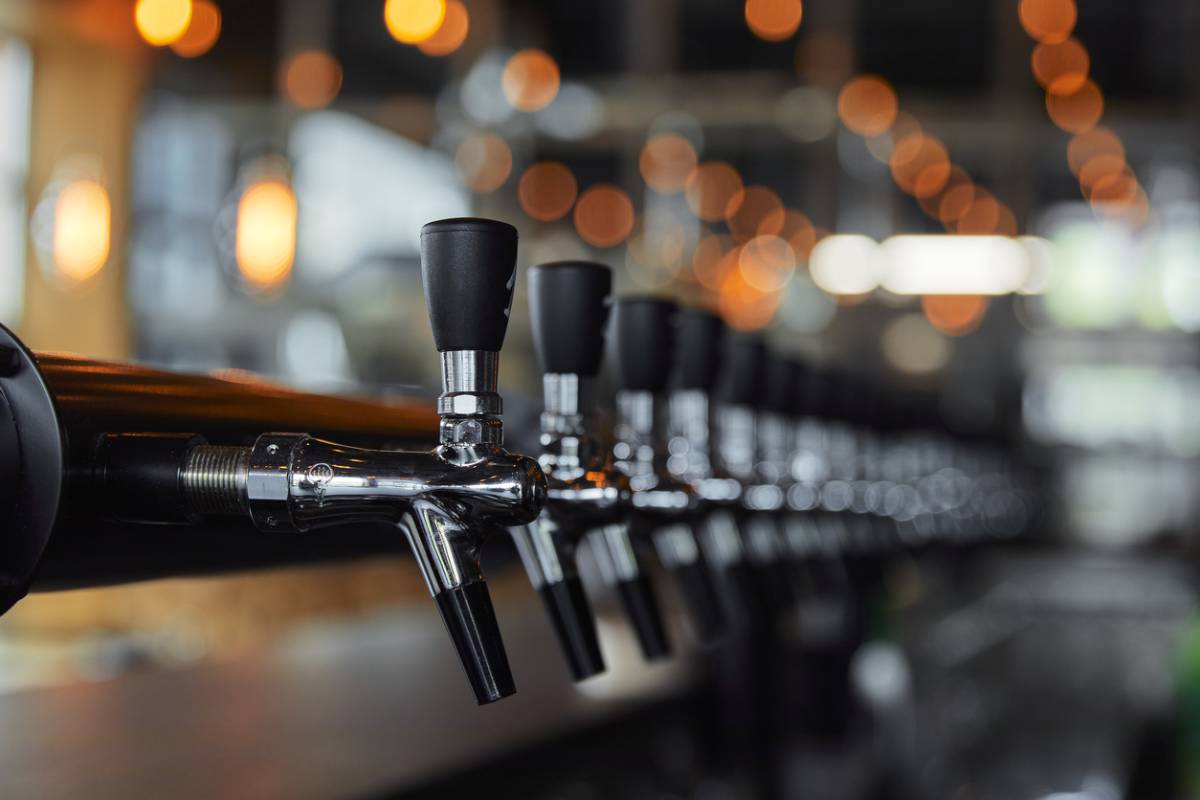
As long as you’re keeping track, you can be sure that your Los Angeles beer dispensing equipment never runs dry.

Serve Draught Beer

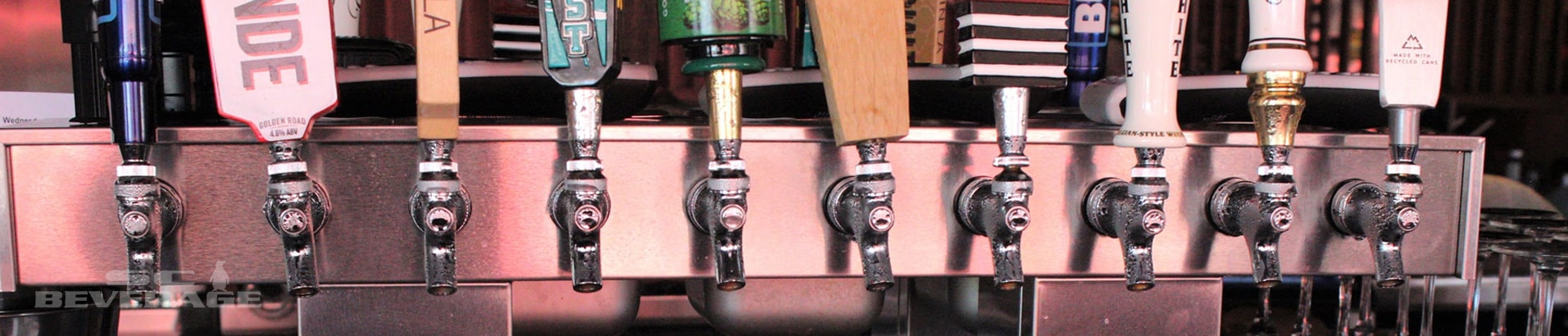
Bottled beer is perfectly fine, but the average bar-goer prefers draught beer. With proper maintenance, your SC Beverage Company beer systems will deliver the most refreshing beer money can buy. If consumer demand isn’t enough to convince you, consider that draught beer is often the biggest money-maker for a bar.

Choose Glassware Intelligently

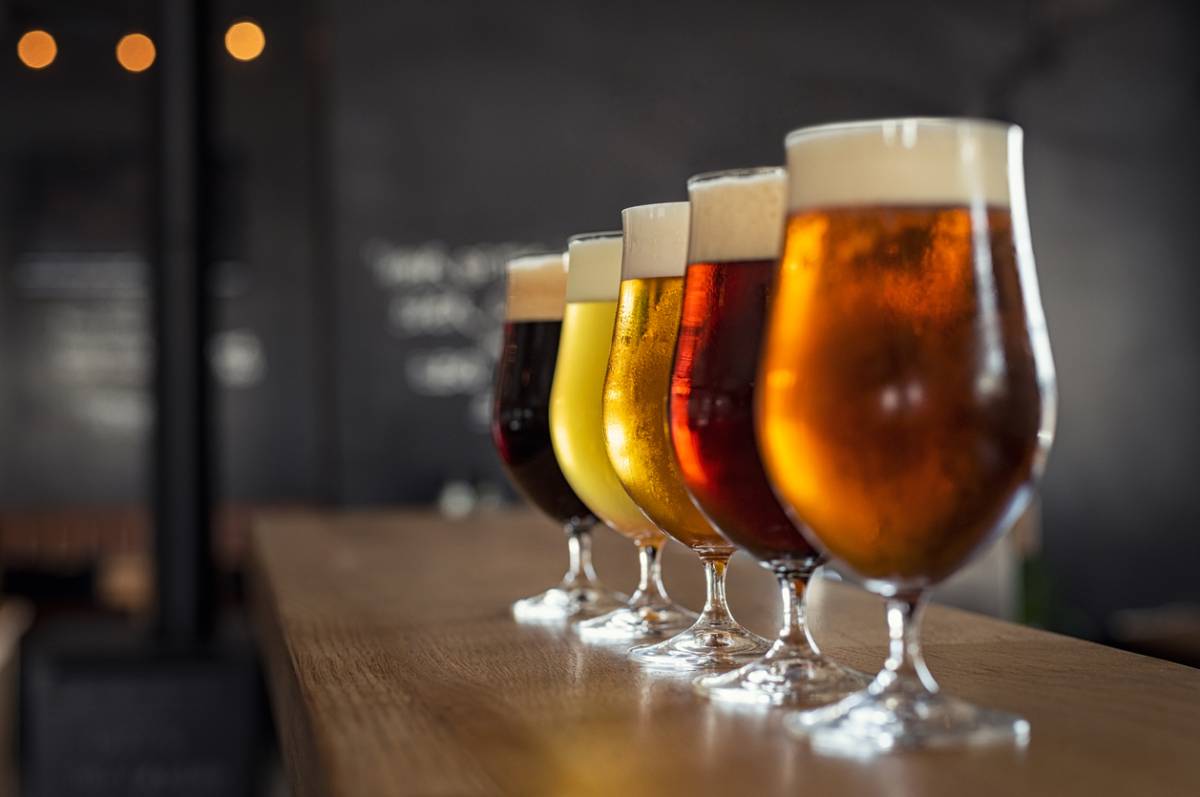
Heavy bottomed glasses are great for three reasons. They’re harder to knock over. They’re a little more resistant to shattering. Plus, they give the impression of a larger drink while containing less liquid.

When you’re picking glassware keep economy and durability in mind to protect your bottom line.

Always Measure

Your staff may think they can eye a drink perfectly well, but the truth is that exact measurements are necessary to a successful bar. You don’t want to be the bar that only serves weak drinks, and you don’t want to be the bar that is always over budget. Measuring your drinks solves both potential problems.

Choose Reliable Staff

Hiring and training staff costs you time and money. To limit overturn in your small business, you want to make sure you pick reliable staff the first time. Pay close attention to applicants who have stayed in each job for at least a year.

More mature applicants may have a more established history of staying in one position, but don’t ignore younger applicants who have stayed in each position for one year or more. It can take a few tries to find your niche, and they could end up being a very valuable employee.

Offer Signature Drinks

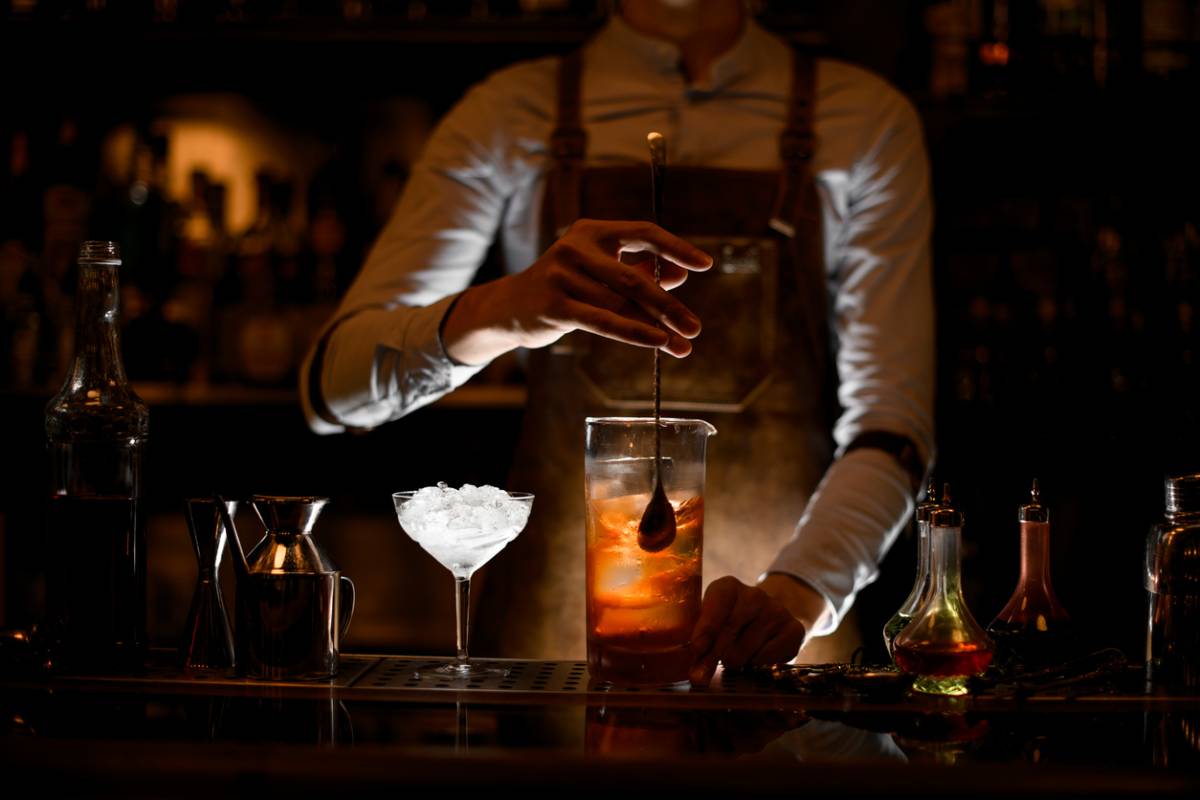
Classic drinks will never go out of style. However, if you want to stick out from the crowd, you will need to make a small menu of your own signature drinks. It doesn’t need to be a huge offering. If you’re looking for a particular vibe, you may choose to just do a different variation of your favorite classic drink each month.

Host Events

Happy hour, pub trivia, and karaoke are three easy events you can host to boost local engagement. Pub trivia and karaoke may sound like an investment, but the truth is that you don’t have to do it yourself. Third-party companies exist to help bars run these events for a reasonable price.

Train Staff in Safety Practices

Bar safety is incredibly important to your bottom line and your reputation. Make sure all staff are well-trained on what they should do in potentially dangerous situations. Having a security guard and an Angel shot policy are two ways that you can help to decrease the risk of something illegal happening on your property.

Getting Started

The learning curve for running a successful bar can be steep. Even if you do all of your research and do all of the prep, you will still find yourself making adjustments during those first few years. The good news is that your bar can be a success. As long as you’re willing to put in the time and effort, you can build a place that becomes a hallmark of your community.

Share this post: Share on FacebookShare on Google+Tweet about this on TwitterShare on LinkedIn

How to Price Draft vs Bottled Beer

If you’re brand new to running a restaurant or bar, then you know pricing is one of the most challenging aspects of getting started. You want to make a profit while offering quality products at prices appropriate for your area and customer base. It sounds easy at first, but there’s actually a lot involved, especially if you want to maintain a balance that allows you to thrive. So, let’s look at how to price draft vs bottled beer.

How to Price Draft vs Bottled Beer

For many restaurants and bars, this means that you have different profit margins for different products. There will likely be just a few items on your menu that really up your businesses profits. While you might experience a slight loss on one or two other items to stay competitive. Fortunately, if you have a beer and wine license, it can be really easy to make up for those small deficits.

The Profit in Beer

One of the restaurant industry’s best-kept secrets is the absolutely ridiculous profit margin on draft beer. With the right set up, draft beer in particular can rake in up to an 80% profit margin. Bottled beer can bring in a pretty profit as well, but it typically costs 40-45% more per ounce, so it isn’t the most cost-effective option if you’re planning to own your business for more than a few years.

With that said, most savvy bar and restaurant owners do serve both. Having draft and bottled beer available allows you to serve a wide variety of preferences even if you’re only able to sustain a three or six-handle draft beer system. However, in order to make that work, you’re going to need to know how to price both appropriately.

Pricing Draft VS. Bottled

Draft and bottled beer are priced differently according to their pour costs. The pour cost is the initial cost of the beverage divided by its sale price. On average, you can expect a draft beer’s pour cost to be about 20%. A bottled or canned beer’s pour cost will be about 25%. This is a result of the fact that draft beer is substantially cheaper per ounce and also tends to fetch a higher price point. However, you might wonder why the difference in pour cost isn’t greater.

The truth is that there is a lot of overhead associated with purchasing and properly maintaining Los Angeles Beer Dispensing Equipment. You need the space, the pipes, the handles, the nitrogen, the CO2, the refrigeration. And a whole host of other smaller pieces necessary to serve a quality, safe draft beer. All of that overhead brings your pour cost higher. But even with all of that draft beer remains more profitable than bottled or canned beer.

Putting Together Your Final Prices

When you’re first getting started, you can certainly look at other businesses in your area for an idea of what your prices should be. You just need to be careful that you don’t assume their costs are the same. If you want to be certain that your prices are right for your business, you need to take all of your overhead into account and budget it to get an accurate pour cost.

For newer businesses with higher overhead, you can start by pricing your beers individually according to precise pour costs. Over time, as you get more comfortable with your business, you can embrace a grouped price point model. By that we mean you can start charging a standard rate for domestics, internationals, and specialty beers. This model can make your life much easier if you’re planning to consistently exchange what you have on tap.

Getting Started

Running a bar or restaurant is hard, and it takes an exceptional level of dedication. Fortunately, with the people of Southern California Beverage Company in your corner you can be sure that you’ll have the right equipment to make your business everything you hope it will be.

Share this post: Share on FacebookShare on Google+Tweet about this on TwitterShare on LinkedIn

Re-Opening Your Bar: Tips After Lockdown

Depending on your location and the classification of your establishment, it may have been quite some time since your draught beer system was last in use. As you well know, beer dispensing equipment requires systematic care if your goal is to serve the freshest and tastiest beer in the area. But how can you go about re-opening your bar after lockdown.

Re-Opening Your Bar: Tips After Lockdown

However, after weeks if not months of closures, your beer system is going to require a whole lot more than your typical monthly maintenance.
In order to help you get back on your feet and back in the swing of things, we’ve put together guidance from the Brewer’s Association for re-opening your bar. The list isn’t comprehensive, as many re-opening procedures will be specific to your set-up and location. However, it is a great way to get started while making sure you’re checking all the major boxes.

Schedule a Deep Cleaning

About two weeks before re-opening, you’ll want to make contact with someone who specializes in cleaning Los Angeles beer equipment. They’ll want to do a deep cleaning of all of your equipment to make sure that there’s no residue left. Yeast, mold, bacteria, and “beer stone” are the enemies of great beer. You don’t want your customers coming back to anything less than perfection.

Go Through Your Inventory

Check the dates on all of your kegs to make sure everything is still safe to serve. If you’re planning to serve anything new, then have a look at the brewer’s guidelines to make sure your new beers are given their best chance to shine.

Clean Your Lines

As with the rest of your draught system, your lines have probably been neglected a bit during the lockdowns. Even if you thoroughly cleaned them before closing up shop, there’s a good chance that plenty of unpleasant pathogens have settled down without the constant rush of liquid keeping them back.

Given the length of time that many bars have been closed, the Brewer’s Association suggests using a 3% caustic solution to flush your lines. The higher percentage will give your lines a thorough cleaning. Afterwards, you will need to flush the lines with water. Once the caustic solution is completely cleared, you’ll flush the lines with a diluted acid designed for draught beer lines. These two steps will ensure that there is nothing left behind. You will then flush the lines with clean water again to clear the acid before serving.

Clean Faucets and Trays

Your faucets and catch trays have been sitting for a while. Before you re-open you’ll want to take them apart and clean each piece carefully. If any parts appear broken or missing, this is the ideal time to replace them.

Wash All of Your Glassware

After months of sitting out, your glassware is going to be covered in dust as well as anything else that’s been floating through the air. Rather than waiting, just get it out of the way washing and sanitizing all of your glassware a day or two before you re-open.

Start Your Engines

A couple of days before you re-open, you’ll want to turn the gas back on, ensure reliable temperatures, and tap your kegs. Run beer through each line to make sure they’re ready to go. Then at the end of a long day, do a tasting of each beer to make sure they’re all the quality you expect. After sitting for a long period of time, there are many opportunities for things to go wrong. If you find a skunky beer or something that doesn’t taste quite right, contact the brewer.

Returning to a Semblance of Normalcy

To thrive after the last year, you’re going to have to stand out among your competitors. By ensuring the highest quality draught beers and prepping your bar to look clean, you’re already taking the first steps towards renewed success.

Share this post: Share on FacebookShare on Google+Tweet about this on TwitterShare on LinkedIn

How Long Does a Keg Last?

If you’re looking to incorporate a draft beer system into your bar or restaurant, then there’s a lot to learn. Like how long does a keg last?

Whereas previous generations may have treated beer as a low-brow drink unworthy of major investment, younger American adults have revitalized the role of beer in American culture. As a result, beer has become increasingly complicated, reflecting the investment of beer manufacturers in the flavors and variety expected by the millennials and now gen Z. That means that businesses selling draft beer have to be prepared to provide the quality those demographics expect if they want to stay competitive.

At SC Bev, we supply Inland Empire beer systems of the highest quality. For the best Los Angeles draft beer service, look no further.

Why Go for Draft?

The advantage of installing a draft beer system over simply refrigerating a bunch of bottles comes down to freshness, flavor, and overall quality. Here are just a few reasons you might consider swapping that bulky fridge out for a sleeker line of glittering taps.

Bottles are exposed to light

When beer is exposed to light, weird things can happen. After prolonged exposure, a chemical reaction occurs within the beer that results in a foul-smelling and tasting beer. When this happens, it is usually said that the beer has been “skunked” due to the similarity in aroma. In the case of bottles, you have no control over the shipping process and no guarantee that one of your customers won’t encounter a skunked beer.

Bottles don’t provide a complete seal

The bottling process is designed to be sanitary, but it isn’t air-tight. Even a slow exchange of gases between the outside world and the bottled beer can result in the beer being flat and losing some of its flavor.

Draft beer systems allow you to control the temperature

Different beers have special requirements in regard to temperature, pressure, and head if you’re aiming for the best experience. Customizable draft beer systems and a knowledgeable bartender allow you to consistently provide that experience to your customers.

People love the extra carbonation

CO2 is commonly used to create the pressure that transports your favorite beer from the keg to your glass. As a result, draft beer has a little extra carbonation. And it gives you an almost imperceptibly different sensation as you drink. Many experts credit this extra zing of carbonation with the average person’s preference for draft over canned or bottled beer.

How Long Does a Keg Last? Ensuring Freshness

Of course, none of these benefits will matter if your draft beer isn’t fresh. That is why it is so important to create a reliable system for ordering and replacing kegs in an orderly fashion. Luckily, there are a few rules you can use to guide you. Especially if you’re still learning about making the switch to a draft beer system.

  • Always check for a “Born On” date or an expiration date. The born on date will be the day the keg was filled at the brewery. It is that date that will indicate how long your keg is good for.
  • Know whether your beer is pasteurized or non-pasteurized. This may not seem like a big difference at first. But a pasteurized beer can be kept for three to four months, while a non-pasteurized beer can only be kept for six to eight weeks.
  • Always use a professional draft beer system. Ensure the keg is directly tapped into the system and stored at the appropriate temperature. If so, using a professional draft beer system will not decrease the shelf life of your beer even after it has been tapped. By contrast, another method will introduce oxygen into your keg, and it will only be good for twelve to twenty-four hours.
  • Maintain a consistent temperature where you store your kegs. Ideally, you should store them at 38 degrees Fahrenheit. If the temperature goes over 45, then you risk bacteria forming inside the keg. If the temperature dips below 30, then you risk your beer freezing.

As long as you follow these basic rules and do a little research on the beers you plan to include in your line-up you should be good to go. If you have any questions about your draft beer system, then you can always contact SC Beverage.

Share this post: Share on FacebookShare on Google+Tweet about this on TwitterShare on LinkedIn

Why You Should Always Pour Your Beer

When you want to enjoy a cold one at the end of a long day, it’s often tempting to just grab a bottle from the fridge. It’s already chilled, and grabbing a glass seems like extra work. What you might not know is that choosing to drink straight from the bottle or can is actually doing your beer a massive disservice. Let’s take a look at why you should always pour your beer!

Your beer is literally designed to be poured. The physical action of pouring activates the carbonation, giving the beer its signature foam head. Initially, that may seem like all the more reason to not pour your beer. The head doesn’t taste particularly good, and it just seems to get in the way as you try to sip around it to get to the liquid beneath.

However, writing off the head as an annoyance entirely misses the point of its function. It is meant to sit right under your nose, fizzing away as you take your first sips. In fact, this process is crucial to your overall experience because taste isn’t just connected to your tongue.

Why You Should Always Pour Your Beer: Taste is Multi-Sensory

Your taste buds are crucially important to our perception of flavors and textures, but they don’t work alone. What you see, smell, and hear also contribute to that perception. As a point of reference, think about the last time you were at a Mexican restaurant and a large plate of fajitas passed your table. Even though you never consume any part of that meal, you can practically taste those fajitas. The carbonation in beer works in a very similar way.

When the carbonation is activated, bubbles race to the top of the beer, forming the head. The bubbles that reach the surface express the contained carbon dioxide, creating the pleasant fizz we’re all familiar with. As the CO2 is expressed so are many of the aromas creating by the fermenting process. This actually allows you to smell the unique flavors that make up your beer, gifting you with an elevated drinking experience.

Achieving the Perfect Head

Keep in mind that you can’t just dump your beer in a glass and have at it. The ideal temperature and pouring technique will vary depending on the type of beer you are about to enjoy. For example, lagers and pilsners are meant to be served ice cold. A temperature in the mid to high 30s Fahrenheit will usually do the trick. On the other hand, beers like stouts and porters actually taste better if served at around 50 degrees Fahrenheit, which is just about room temperature in your average Irish pub.

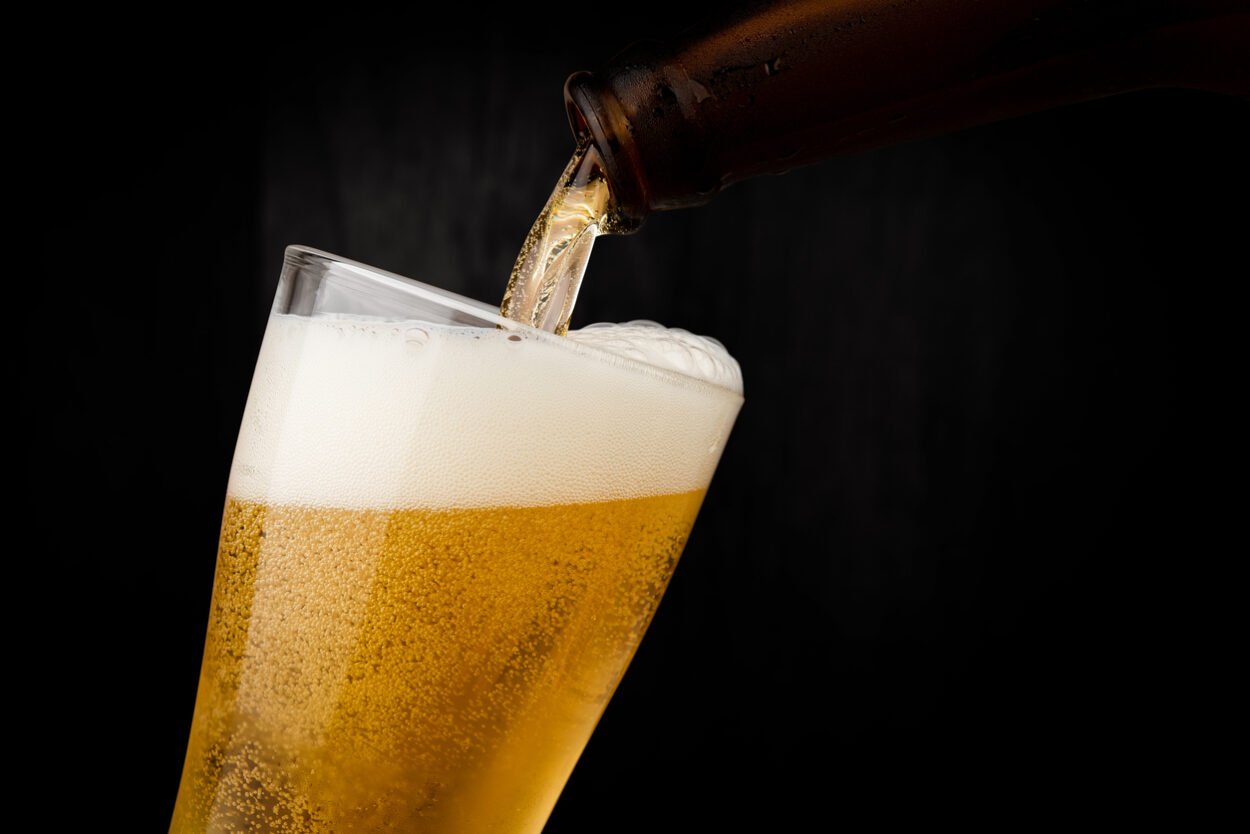
When it comes to getting the perfect head on your brew, aim for 1-1 ½ inches, or about two fingers. Techniques for achieving the right ratio can vary and are usually based on the density of the beer. For many beers, the standard incline pour will do the trick. Simply start pouring down the side of the glass with the glass at a 45-60 degree angle. Then gradually straighten the glass out as you pour depending on how much foam has formed. If there’s too much foam, allow some to spill over into the sink or catch tray. A heavier beer will take some time to get right. In fact, a good bartender will typically pour half the beer, then give the head time to settle before finishing the pour.

If you work in a bar, you will need quality beer fountain machines to produce a solid head. For the best beer equipment Los Angeles has around, check out SC Beverage.

Improving the Experience

Whether you are just trying to impress your friends or looking to improve the customer experience at your restaurant, a perfect pour makes a huge difference. For even better quality, consider using a professional beer system from SC Beverage to deliver the freshest brews from ice-cold kegs.

Share this post: Share on FacebookShare on Google+Tweet about this on TwitterShare on LinkedIn