How Soda Dispenser Calibration Affects Taste and Carbonation

Restaurant guests often notice that their favorite soft drink tastes perfect in one restaurant and tastes watery or over-fizzy in another. Since they come from the same brand, you know it is not the brand that is the problem. It may be calibration. Without proper calibration, it will be difficult to deliver consistent taste, ideal sweetness, and the right level of carbonation. This is why professional beverage installation and service are crucial for businesses that prioritize quality.

For restaurants, cafes, cinemas, and other establishments offering sodas, maintaining beverage quality is not just about customer satisfaction. It is also about brand trust, operational efficiency, and cost control. Here is how soda dispenser calibration affects taste and carbonation.

How Soda Dispenser Calibration Affects Taste and Carbonation

What Is Soda Dispenser Calibration?

Soda dispensers mix three main components.

  • Syrup
  • Carbonated water
  • Carbon dioxide

Calibration ensures that these components are dispensed in the correct proportions. Most soda brands specify an exact syrup-to-water ratio, typically around 5:1. However, this can vary depending on the beverage.

The problem is, even when the machine is just slightly off, customers usually notice.

How Calibration Affects Taste

Sweetness and Flavor Strength

When a dispenser is under-calibrated, meaning there is too much water, too little syrup, the soda is affected. The flavor fades, and the drink may seem flat even when carbonation levels are correct.

Over-calibration, which means there is too much syrup, produces a beverage that is too sweet and syrupy.

Major beverage companies like Coca-Cola and PepsiCo have precise formulas. Small deviations from the recommended mix ratio can change the overall taste experience.

Flavor Balance

Soda should have a balance of sweetness, acidity, and aroma. The following happens when calibration is off:

  • Citrus notes may become too sharp
  • Cola flavor may taste metallic
  • Fruit sodas may taste artificial

Customers are not expected to identify the technical problem, but they know something is wrong.

How Calibration Affects Carbonation

Carbonation is equally important as taste, and calibration affects carbonation.

1. Carbon Dioxide Pressure Levels

Carbonation depends on the proper carbon dioxide pressure within the system.

Ensure the pressure is too low because it:

  • Makes the soda taste flat
  • Takes the life out of the soda
  • Makes ice melt faster

Ensure the pressure is not too high because:

  • Excess foam forms when dispensing
  • The drink may feel overly sharp or fizzy
  • There is more waste due to foam overflow

2. Temperature Matters

Cold liquids retain carbonation better than warm or hot liquids. Improper temperature calibration in the cooling system affects how well the carbon dioxide dissolves in water.

When the water is not cold enough:

  • Carbonation dissipates quickly
  • The drink feels less crisp
  • Foam increases

With proper calibration, you can be sure that water temperature, syrup flow rate, and carbon dioxide pressure all work together.

The Business Impact of Poor Calibration

The problem with poor calibration is that it not only affects taste. It also affects profit.

1. Product Waste

Excess foam from high pressure is a wasted beverage. Staff may discard the drinks or refill cups. This will lead to increased consumption of syrup and carbon dioxide.

2. Overuse of Syrup

Businesses unknowingly increase their cost per serving when the syrup ratio is too high. When done constantly, it can eventually affect margins.

3. Customer Dissatisfaction

Inconsistent taste discourages repeat business. When a customer experiences a flat or watery drink, they may assume poor overall quality control.

How Often Should Calibration Be Checked?

Best practices include:

  • Weekly ratio checks
  • Monthly full system inspection
  • Immediate calibration after syrup box changes
  • Carbon dioxide tank pressure monitoring

It is also essential to train employees to recognize warning signs, such as:

  • Excessive foam
  • Weak flavor
  • Sticky dispensing nozzles
  • Inconsistent flow rates

A soda dispenser may seem simple, but in reality, it is a finely tuned system that relies on precision and therefore needs calibration.

In the end, great soda is not just about the brand; soda equipment calibration has a lot to do with making or breaking the quality of the soda you serve.

Get Quality Equipment

Quality soda equipment helps you prepare quality beverages. If you are looking for machines and systems, call us today and let our representatives walk you through what you want to know.

Share this post: Share on FacebookShare on Google+Tweet about this on TwitterShare on LinkedIn

Preventing Mold and Bacteria in Soda Fountain Machines

Soda fountain machines are a staple in restaurants, movie theaters, and convenience stores, offering quick access to carbonated beverages. As convenient as they are, they also require proper maintenance to ensure proper cleaning.

Without regular cleaning and preventive measures, soda fountain machines can become breeding grounds for mold, bacteria, and other contaminants. Understanding how to prevent microbial growth is essential for food safety, customer satisfaction, and regulatory compliance.

Why Soda Fountain Machines Are Susceptible to Contamination

Soda fountain machines rely on a combination of syrup, water, and carbon dioxide to produce soda. While this system works well for quickly serving beverages, it also creates an environment that can support microbial growth. There are several factors that contribute to potential contamination aside from daily usage:

  • Moisture: Syrups and water provide a wet environment that mold and bacteria thrive in.
  • Residual sugar: Syrup residues left in nozzles and tubing serve as a food source for microorganisms.
  • Temperature: Machines operate at varying temperatures, which can encourage bacterial growth if not properly regulated.
  • Air exposure: Syrups and beverages exposed to air may become contaminated if machine seals or tubing are compromised.

Understanding these risk factors highlights why consistent cleaning and maintenance are not optional—they are necessary for safety and quality.

Steps to Prevent Mold and Bacteria Growth

Preventing microbial growth in soda fountain machines involves a combination of daily maintenance, periodic deep cleaning, and adherence to manufacturer guidelines. Key practices include:

Regular Cleaning of Nozzles and Syrup Lines:

Nozzles and syrup lines are the most common sites for mold and bacteria growth. Cleaning these components daily, or at the intervals recommended by the manufacturer, prevents residues from accumulating. Disassembly and sanitization of nozzles prevent build-up and keep beverages tasting fresh.

Flushing Water Lines

Water lines should be flushed regularly to remove stagnant water, which can harbor bacteria. Using approved cleaning solutions for water lines reduces the risk of contamination and prevents slime formation.

Sanitizing Components

Sanitizing removable parts, such as drip trays, connectors, and gaskets, helps maintain overall hygiene. Approved food-safe sanitizers should be used, and all components should be rinsed thoroughly before reassembly.

Temperature Control

Maintaining appropriate temperatures in syrup and water storage areas discourages microbial growth. Cold storage slows mold and bacterial proliferation, while warm areas should be monitored to prevent excessive heating of syrup reservoirs.

Routine Inspections

Regular inspections of tubing, seals, and connectors help identify leaks, cracks, or worn components that can introduce contaminants. Replacing damaged parts promptly is essential for maintaining a sanitary system.

The Role of Staff Training

Proper cleaning procedures are only effective when staff are trained to follow them consistently. Employees should understand the risks associated with microbial contamination and be proficient in disassembling, cleaning, and sanitizing soda fountain components. Training programs should include schedules, safe handling of chemicals, and documentation of completed maintenance tasks.

Benefits of Preventive Maintenance

Adhering to preventive measures ensures that soda fountain machines operate safely and efficiently. Key benefits include:

  • Enhanced beverage taste and quality
  • Reduced risk of mold or bacterial contamination
  • Compliance with health and safety regulations
  • Longer equipment lifespan due to reduced wear from residues

By implementing a proactive approach, businesses protect both their customers and their reputation.

Invest in a Clean, Safe Beverage Experience

Preventing mold and bacteria in soda fountain machines is essential for maintaining quality, safety, and customer trust. With regular cleaning, proper sanitization, and trained staff, businesses can keep their soda fountains running smoothly and serving safe, refreshing beverages every day.

If you want expert guidance on soda fountain maintenance, beverage equipment cleaning, or staff training programs, contact SC Beverage today.

Share this post: Share on FacebookShare on Google+Tweet about this on TwitterShare on LinkedIn

How to Clean a Soda Fountain

A soda fountain is not typically the centerpiece of a restaurant’s image, however, just like any other part of a functioning business, there will come a time when you will have to clean your soda fountain to maintain the level of quality you need to in the products, as well as to meet the hygienic standards of your local health board.

This task can be daunting if you have not given it a go in the past. Fortunately, we have whipped up this guide that can inform you of how to clean your soda fountain efficiently and thoroughly.

Why Do You Need to Clean a Soda Fountain?

The reasons to clean a soda fountain are fairly similar to the reasons one would engage in routine cleanings of any other element of a restaurant’s equipment. Without regular cleanings, the quality of the product you dispense and the functionality of the equipment become threatened. Even engaging in occasional cleanings can yield great results, and engaging in regular cleanings will ensure that you minimize the potential for adverse effects on your soda.

Soda is one of the most popular items on most menus, and ensuring that the quality of your product is consistent is one of the best steps you can take to deliver a strong product experience with your customers on a consistent basis. On the contrary, delivering soda products that fail to impress can make a negative impression on new and existing customers.

In addition, cleaning your fountain on a regular basis will extend the amount of time before you need to replace your equipment. This can save you time and money in the long run and allow you to allocate funds towards other causes.

How to Clean a Soda Fountain

There are a number of steps that an individual can take to ensure that their soda fountains remain clean and the product they are serving to customers remains at the highest level. Some steps you can take include the ones listed below. While there is bound to be some variability in terms of how your machine operates, many soda fountains are mass-produced to specific standards, which allows for the easy replacement of parts.

Clean the Nozzles Every Day

One simple step that you can take to ensure that your soda fountain remains clean is to clean the nozzles on your soda fountain on a daily basis. Using a sanitizing solution on the nozzles can rid them of the debris that can accumulate over time. Avoid using bleach for this purpose, as this can be toxic and degrade the plastic nozzles at a more rapid rate than usual.

Clean the Syrup Connectors Once a Week

The syrup connectors are a tool that connects the bag-in-box soda units to the rest of the soda fountain. These connectors are prone to becoming dirty at a slightly higher rate than many of the other parts of a soda fountain and benefit from weekly cleanings. The easiest way to achieve this is through soaking the connectors in a sanitizing solution for several minutes and then letting them dry.

Clean the Fountain Dispenser Ice Bin Once a Month

This is a task you can complete on a more infrequent basis. During an ice bin cleaning, you will unplug the ice maker and remove any ice that remains in the bucket. Then, you should use a sanitizing solution and nylon brush to brush down the ice chute. After this, you can reinstall the ice maker so that the unit can begin producing ice again.

Clean the Condenser Fans Once a Month

The condenser fans are another part of your soda fountain that you should clean approximately once a month. Using a soft-bristled brush and cleaning any air filters that are present can help your machine run more smoothly.

Clean the Water Filtration System Once a Month

The water filtration system of your soda fountain is one of the most essential elements when it comes to maintaining the long-term quality of your product. Inspecting to see if the filtration system needs to be replaced every six months can help inform you whether the systems that keep your soda fountain running are in tip-top shape.

The Best in Beverage

SC Beverage prides itself on offering customers in Southern California and beyond the best service and products available for their commercial beverage equipment needs. If you would like to discuss your beverage systems with professionals, contact us today.

Share this post: Share on FacebookShare on Google+Tweet about this on TwitterShare on LinkedIn

How to Make Soda Popsicles

When the temperature rises, and you find yourself craving something cold and sweet to feel refreshed, soda popsicles can be the perfect solution. Not only are they easy to make, but they also let your creativity and imagination flow with the different flavor combinations and add-ins. Whether you are making them for your family, indulging your inner child, or setting up a stand in your neighborhood, beverage systems can be a great partner for preparing a batch of soda popsicles everyone will surely love.


How to Make Soda Popsicles

Soda popsicles combine the fizzy fun of soda with the icy satisfaction of a popsicle into one delicious treat. If you are looking for a way to cool down on a hot day or want a dessert that can be customized to suit any taste, soda popsicles are an excellent answer. Aside from the fact that they are easy to prepare, they also need very few ingredients or tools to make. If you own a high-quality beverage system, it can ensure that your soda is fresh, perfectly carbonated, and bursting with flavor.

We explain how to make this sweet treat below.


What You Need to Make Soda Popsicles:

Ingredients:

– Your favorite soda freshly made from your soda fountain

– Any flavored soda will be fine, but popular choices are lemon, lime, root beer, or cola.

– Fresh fruit slices or herbs for added flavor and decoration


Tools:

– Popsicle molds or small reusable plastic cups

– Popsicle sticks or small spoons 

– Aluminum foil (optional, refer to step 3)


Procedure:

1. Prepare Your Popsicle Molds

Set up your popsicle molds or reusable cups on a flat surface like your kitchen counter. If you want to add some flavor to your popsicles or make them more visually appealing, place a few small pieces of fruits, herbs, candies, or even vanilla ice cream into the molds.

Suggested Add-ons:

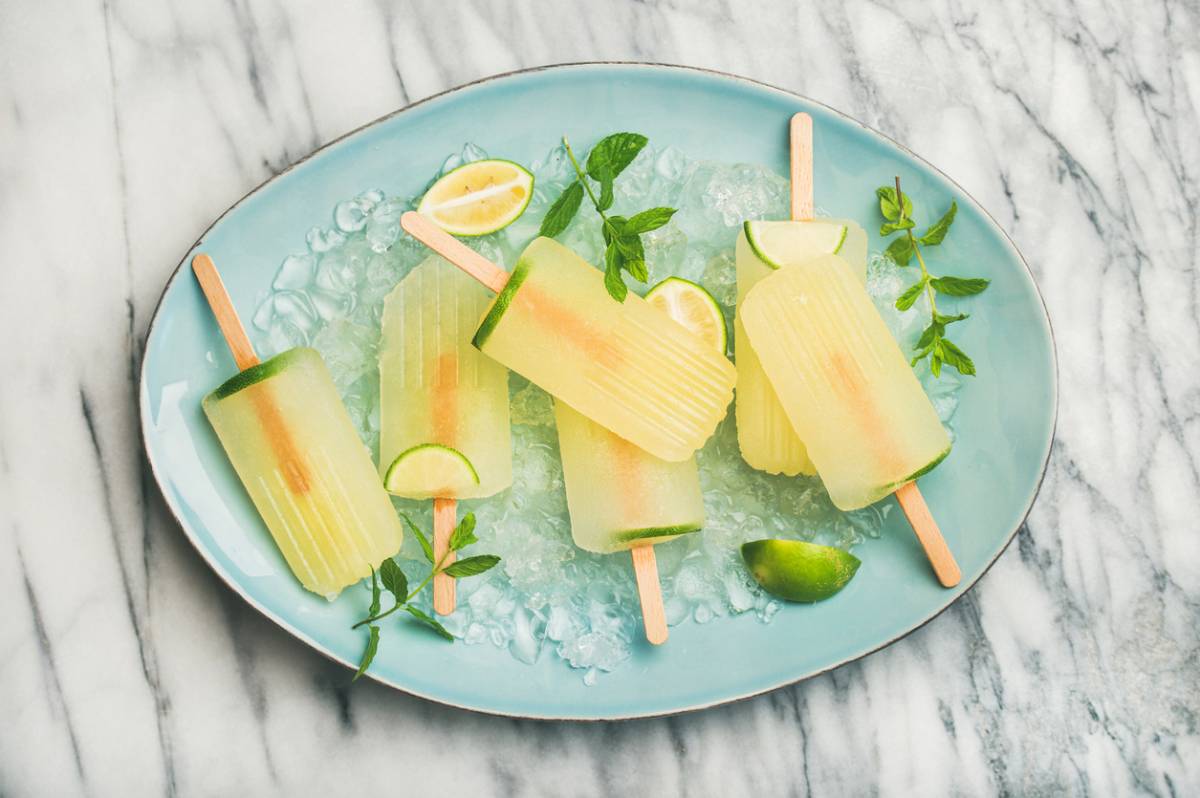
– Lemon-lime soda works well with fresh mint leaves and lime slices.

– Orange soda with mandarin wedges

– Cola with cherries or gummy bears

Root beer with vanilla ice cream


2. Pour the Soda

Pour the soda carefully from your soda fountain into the molds. Fill each mold about three-quarters full. Be careful not to fill the mold to the brim. You need to leave enough space for the liquid to expand. Pour slowly to ensure there is minimal foam. Remember that carbonation can create air bubbles


3. Insert the Sticks

Place your popsicle sticks into the center of each mold. If your molds do not have built-in stick holders, cover the base of the molds with aluminum foil and poke the foil through the center with the sticks. This should help keep your sticks in place.


4. Freeze the Molds

Place the molds in the freezer and keep them there for at least 4-6 hours or until your soda is completely solid


5. Unmold Your Popsicles

For easy removal of the popsicles from their molds, run them under warm water for a few seconds. Gently wiggle the sticks to help the popsicles slide out more easily.


6. Serve Your Popsicles

Immediately serve or enjoy your popsicles. Wrap the leftovers in plastic wrap and put them back in the freezer for later.


Tips for Making Perfect Soda Popsicle

– Use fresh soda: A beverage system will ensure that your soda is fresh and perfectly carbonated. Fresh soda will give your popsicles the best possible flavor.

– Mix it up: Give your popsicles a unique and refreshing flavor by mixing unlikely combinations like soda and fruit juice.

– Layer them up: Pour one flavor of soda halfway into the mold. Partially freeze it before pouring another flavor. This will give your popsicle a colorful, layered effect and result in an interesting flavor.


Discover the Fun in Having a Soda Fountain

Making soda popsicles is a fun and sweet way to beat the heat. A soda fountain allows you to create fresh soda flavors that are customizable to your preferences. When you customize your popsicles, you will not only create the best possible flavor but also reduce waste by using just the right amount for your recipe. Using a soda fountain makes experimenting with new and delicious flavors easier and much more fun. Check out our soda fountain today so you can join the fun.

Share this post: Share on FacebookShare on Google+Tweet about this on TwitterShare on LinkedIn

How Often Should You Clean a Soda Fountain?

Soda is a popular beverage choice for those visiting a restaurant or food stand. In fact, the average American consumes over 42 gallons of soda each year, and nearly half of Americans drink soda on a daily basis. One of the more popular types of soda is from a fountain. A critical, though overlooked, aspect of operating a soda fountain is cleaning it. Proper cleaning is necessary to ensure the soda tastes great and is edible. Below, you will find how often you should clean a soda fountain. 


How Often Should You Clean a Soda Fountain?

Cleaning a soda machine is critical to ensure that patrons are safe from contaminated drinks and that the soda is as fresh as possible. A soda machine has many parts, and each part must be cleaned at different intervals, including daily, weekly, and monthly. Consider the following recommendations on how to properly clean a soda fountain.


Daily Cleaning

Several parts of the soda machine should be cleaned daily. These include the nozzles, drip trays, and dispensing valves. Each of these parts accumulates buildup fairly quickly, and cleaning them daily can reduce the risk of unwanted grime.


Weekly Cleaning

Busy restaurants should prioritize deep cleaning the soda fountain on a weekly basis. Regular cleaning, which involves cleaning and flushing the entire system, is highly beneficial and an investment in the business. It is also important to deep clean the removable parts of the machine to ensure they are free from buildup and debris. Depending on how often the machine is used, it is also advisable to check the filters. Assess how often they need to be replaced and add it to the calendar.


Monthly Cleaning

Once a month, it can be helpful to fully disassemble the soda fountain equipment to get a deep clean. This includes cleaning the internal and removable components and looking at all of the parts to see if anything needs to be replaced. Soda fountains should last a long time, but regular maintenance is necessary to ensure the machine’s longevity. Be sure to replace any worn-down parts, as this will dramatically improve the longevity of your machine.


Tips for Busy Restaurants

Busy restaurants with many patrons who order soda should clean the machine regularly. In fact, you may need to deep clean more often. Some restaurants clean the machine daily, while others may not need to. Busy restaurants should consider professional soda fountain cleaning. This may be beneficial on an annual or even quarterly basis. Consult with a professional to get their opinion on when and how often your specific soda fountain should be cleaned.

When you clean your soda fountain, have a designated employee in charge of it. Train one to two employees on the procedure and have them do it regularly. Having the same employees clean the machine can reduce errors, as those cleaning will always have been trained. Additionally, having the same people do it regularly ensures that issues are being monitored regularly. Create a cleaning checklist and have them sign off on it each time they clean the machine.


Soda Fountain Supplier in Los Angeles

If you need to replace your soda fountain machine, contact the top soda fountain supplier in Los Angeles. The team at SC Beverage has been servicing the area for years. They offer both installation and services to ensure your soda fountain is running perfectly. Contact their team today for more information! 

Share this post: Share on FacebookShare on Google+Tweet about this on TwitterShare on LinkedIn