How Often Should Beer Lines Be Cleaned?

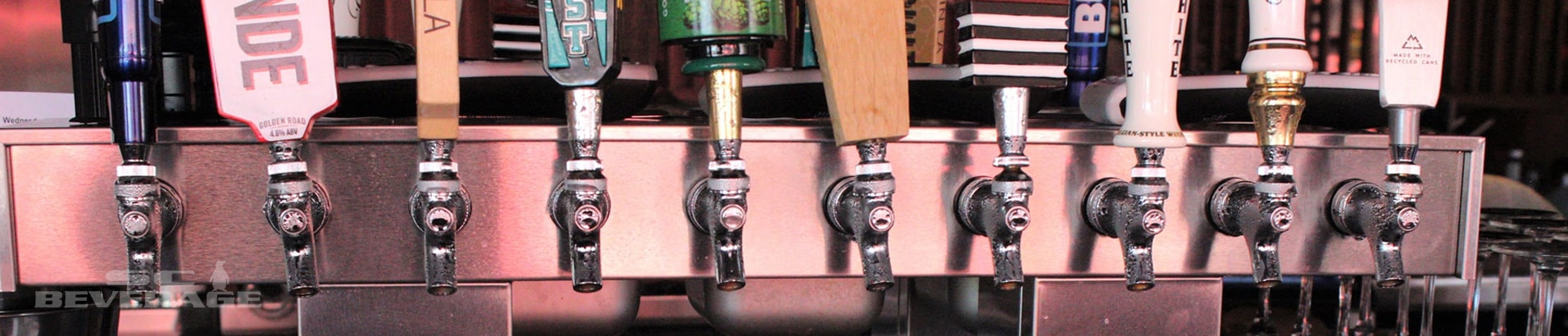
There is much more to a perfectly poured draft beer than a quality keg and a well-maintained tap. It takes a clean draft system that preserves the beer’s intended flavor, aroma, and appearance. This can be provided by a company that offers beverage equipment installation and service. Bar and restaurant owners and managers usually focus on refrigeration and inventory. However, regular beer line cleaning is just as essential for quality and customer satisfaction.

How often should beer lines be cleaned? If you are a bar or restaurant owner, the answer is crucial to your business.

How Often Should Beer Lines Be Cleaned?

Most draft systems need to be cleaned every two weeks. However, several factors may affect the cleaning schedule, and understanding them helps ensure that every pour tastes the way the brewer intended.

The natural sugars, proteins, and yeast that beer contains can leave residue inside draft lines over time. These deposits create an environment where bacteria, wild yeast, and mold can grow. When the lines are contaminated, the taste, smell, and appearance of the beer are negatively affected.

Dirty beer lines may cause:

  • Sour or off flavors
  • Cloudy or hazy beer
  • Excessive foaming
  • Unpleasant odors
  • Reduced beer quality and consistency

These are problems that can cause dissatisfied customers, wasted product, and damage to a restaurant’s reputation.

The Industry Standard

Many draft beer professionals, including The Brewers Association, recommend cleaning beer lines every 14 days. Cleaning every 14 days can help prevent yeast, bacteria, and beer stone buildup before it becomes a more serious problem.

Routine cleaning usually involves using an approved cleaning solution and circulating it through the beer lines. The lines should be thoroughly rinsed with clean water before reconnecting the kegs. Faucets, couplers, and other draft components should also be cleaned.

Where Is More Frequent Cleaning Needed?

Although most lines only need cleaning every 14 days, some draft systems benefit from more frequent cleaning.

Some establishments experience higher beer turnover, and lines may experience faster buildup because more beer passes through them. In addition, lines may need special attention if the beers contain fruit, spices, lactose, or other specialty ingredients.

Seasonal beers and limited releases may also need cleaning whenever a keg is changed to prevent the flavor from being carried over to the next beer style.

Restaurant and bar owners should be ready to adjust the cleaning schedule if customers begin noticing unusual flavors, increased foaming, or inconsistent pours before the two-week mark.

Signs Your Beer Lines Need Cleaning

Here are clear warning signs that cleaning is overdue.

  • Sour, buttery, vinegary taste in beer
  • Persistent foam despite correct serving pressure
  • Slow or uneven pouring
  • Cloudy beer that should normally be clear
  • Visible residue inside clear beer tubing
  • Unpleasant odors coming from the faucet

These warning signs should be addressed promptly to help restore product quality before they result in unhappy customers, wasted beer, and lower sales.

The Importance of Proper Cleaning Procedures

Cleaning beer lines is not simply flushing water through the system. It requires specialized cleaning chemicals, appropriate contact time, and thorough rinsing to remove all contaminants safely.

Wise business owners choose trained technicians who understand draft system maintenance and use commercial-grade equipment. Every component should be cleaned correctly while minimizing the risk of equipment damage.

Faucets, couplers, FOB devices, and glycol systems should also undergo periodic cleaning and inspection to help the entire draft system operate efficiently.

Keeping Beer Lines Clean

Beyond best-tasting beer, consistent beer line maintenance helps:

  • Preserve the brewer’s intended flavor profile
  • Reduce beer waste caused by foaming
  • Improve customer satisfaction
  • Protect expensive draft equipment
  • Maintain health and sanitation standards

Keep Your Beer Tasting Great and Ensure Great Care for Your Equipment

Keep your draft system performing at its best with professional beer system maintenance from SC Beverage. Always serve best-tasting beer and keep your customers happy with the help of an experienced team who provides reliable cleaning, inspections, and servicing. Contact us today and discover how our services can help you.

Share this post: Share on FacebookShare on Google+Tweet about this on TwitterShare on LinkedIn

Preventing Mold and Bacteria in Soda Fountain Machines

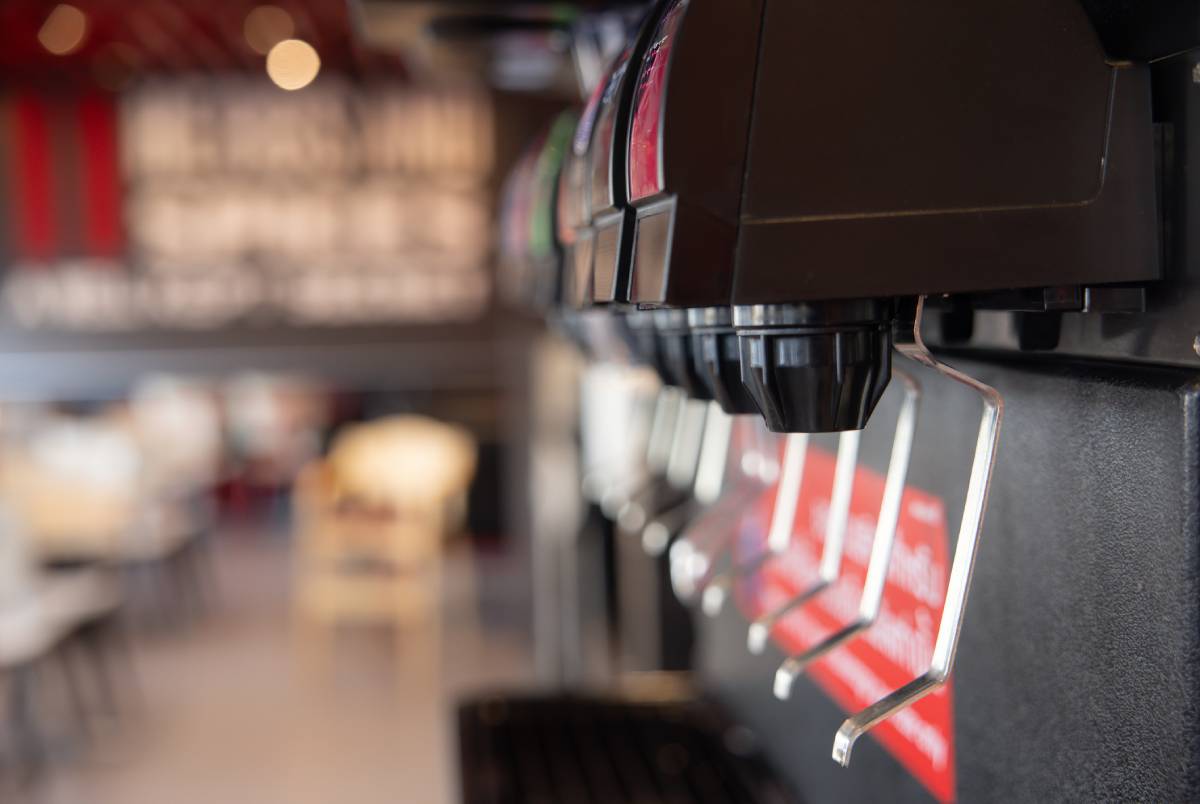
Soda fountain machines are a staple in restaurants, movie theaters, and convenience stores, offering quick access to carbonated beverages. As convenient as they are, they also require proper maintenance to ensure proper cleaning.

Without regular cleaning and preventive measures, soda fountain machines can become breeding grounds for mold, bacteria, and other contaminants. Understanding how to prevent microbial growth is essential for food safety, customer satisfaction, and regulatory compliance.

Why Soda Fountain Machines Are Susceptible to Contamination

Soda fountain machines rely on a combination of syrup, water, and carbon dioxide to produce soda. While this system works well for quickly serving beverages, it also creates an environment that can support microbial growth. There are several factors that contribute to potential contamination aside from daily usage:

  • Moisture: Syrups and water provide a wet environment that mold and bacteria thrive in.
  • Residual sugar: Syrup residues left in nozzles and tubing serve as a food source for microorganisms.
  • Temperature: Machines operate at varying temperatures, which can encourage bacterial growth if not properly regulated.
  • Air exposure: Syrups and beverages exposed to air may become contaminated if machine seals or tubing are compromised.

Understanding these risk factors highlights why consistent cleaning and maintenance are not optional—they are necessary for safety and quality.

Steps to Prevent Mold and Bacteria Growth

Preventing microbial growth in soda fountain machines involves a combination of daily maintenance, periodic deep cleaning, and adherence to manufacturer guidelines. Key practices include:

Regular Cleaning of Nozzles and Syrup Lines:

Nozzles and syrup lines are the most common sites for mold and bacteria growth. Cleaning these components daily, or at the intervals recommended by the manufacturer, prevents residues from accumulating. Disassembly and sanitization of nozzles prevent build-up and keep beverages tasting fresh.

Flushing Water Lines

Water lines should be flushed regularly to remove stagnant water, which can harbor bacteria. Using approved cleaning solutions for water lines reduces the risk of contamination and prevents slime formation.

Sanitizing Components

Sanitizing removable parts, such as drip trays, connectors, and gaskets, helps maintain overall hygiene. Approved food-safe sanitizers should be used, and all components should be rinsed thoroughly before reassembly.

Temperature Control

Maintaining appropriate temperatures in syrup and water storage areas discourages microbial growth. Cold storage slows mold and bacterial proliferation, while warm areas should be monitored to prevent excessive heating of syrup reservoirs.

Routine Inspections

Regular inspections of tubing, seals, and connectors help identify leaks, cracks, or worn components that can introduce contaminants. Replacing damaged parts promptly is essential for maintaining a sanitary system.

The Role of Staff Training

Proper cleaning procedures are only effective when staff are trained to follow them consistently. Employees should understand the risks associated with microbial contamination and be proficient in disassembling, cleaning, and sanitizing soda fountain components. Training programs should include schedules, safe handling of chemicals, and documentation of completed maintenance tasks.

Benefits of Preventive Maintenance

Adhering to preventive measures ensures that soda fountain machines operate safely and efficiently. Key benefits include:

  • Enhanced beverage taste and quality
  • Reduced risk of mold or bacterial contamination
  • Compliance with health and safety regulations
  • Longer equipment lifespan due to reduced wear from residues

By implementing a proactive approach, businesses protect both their customers and their reputation.

Invest in a Clean, Safe Beverage Experience

Preventing mold and bacteria in soda fountain machines is essential for maintaining quality, safety, and customer trust. With regular cleaning, proper sanitization, and trained staff, businesses can keep their soda fountains running smoothly and serving safe, refreshing beverages every day.

If you want expert guidance on soda fountain maintenance, beverage equipment cleaning, or staff training programs, contact SC Beverage today.

Share this post: Share on FacebookShare on Google+Tweet about this on TwitterShare on LinkedIn