
How Much Caffeine Is Too Much?

Commercial coffee makers can be a fantastic addition to your kitchen or office, allowing for quick and convenient daily coffee-making and producing exquisitely tasty drinks. However, easy access to your favorite drink might make you reach out for it more often than is good for you. So, how much caffeine is too much? In this article, we address this question.

How Much Caffeine Is Too Much?

Generally, consuming up to 400 mg of caffeine per day (approximately 4 cups of brewed coffee) is considered safe. However, we recommend taking your personal general and mental health into account when it comes to deciding how much caffeine per day is safe for you.

Overconsumption of coffee can have several drawbacks, such as:

  • Sleep disruption or insomnia, especially if you consume coffee in the evening or late in the afternoon, since caffeine remains in your system for up to 6 hours.
  • Agitation, anxiety, and increased heart rate and blood pressure
  • Increased acidity and discomfort in the stomach
  • Caffeine dependence and withdrawal symptoms, such as irritability and headaches
  • Weight gain and other health issues occur if you add sugar, syrups, or cream to your coffee.
  • Decreased absorption and effectiveness of some medications and supplements or an increase in their side effects (for example, for thyroid and osteoporosis medications, iron supplements, some antibiotics, some antidepressants, and antipsychotics).

If you experience any of the issues listed above, it may be a sign that your caffeine intake is too high, particularly for you, even if you stay within the recommended daily limit of 400 mg. Try reducing the number of your daily cups, abstain from drinking coffee in the afternoon and later, or consult your doctor. We also recommend talking to your doctor regarding the safety of coffee drinking in your case, if you have general or mental health issues, or are taking medication and supplements.

Does Caffeine Have Any Health Benefits?

If you drink coffee in moderation and do not experience any adverse side effects, caffeine can provide several benefits for your body:

Boost of Antioxidants

Antioxidants found in high-quality coffee include:

  • Chlorogenic acid
  • Melanoidins
  • Caffeic acid
  • Quinic acid

These antioxidants can be beneficial for reducing inflammation, preventing some diseases, and increasing cognitive function.

Cognitive Boost & Mental Health Benefits

Caffeine stimulates the central nervous system. It works by prompting the release of some neurotransmitters (noradrenaline, dopamine, and serotonin). As a result, it can improve memory, focus, mood, and energy.

Reduced Risk of Some Diseases

Studies suggest that 3 to 4 cups of good-quality coffee per day can help reduce the risk of such conditions as:

  • Type 2 diabetes (coffee drinkers may have a 20–30% lower risk of developing this disease)
  • Parkinson’s Disease
  • Alzheimer’s disease (coffee can lower the risk of this condition by up to 65%)
  • Liver conditions, such as cirrhosis and cancer
  • Stroke and heart failure (long-term moderate intake of coffee can lower the risk of these conditions)

Which Type of Coffee Has the Most Health Benefits?

The type of coffee, how it’s prepared, and what you add to it can influence the number of benefits (or drawbacks) of your drink:

  • Brewed black coffee (or espresso) with no additives has minimal calories and is rich in natural antioxidants.
  • Cold Brew coffee has lower acidity and thus is gentle on the stomach, but still retains antioxidants. Some cold brews can be more caffeinated per ounce, so be mindful of your total intake.
  • Latte or cappuccino (options with milk) can provide calcium and protein, but can add calories and sugar.
  • As we mentioned before, coffee with cream, sugar, or syrups may potentially cause more harm than good, especially if consumed regularly.

Get Your Coffeemaker at SC Bev

Get high-quality beverage equipment at SC Bev to enjoy delicious coffee every day.

Share this post: Share on FacebookShare on Google+Tweet about this on TwitterShare on LinkedIn

Is Coffee Good for You?

Nowadays, commercial coffee makers are becoming an essential piece of equipment in more and more homes. Coffee is one of the favourite beverages of many people, but is coffee good for you? In this article, we talk about the benefits and potential drawbacks of this delicious beverage.


Is Coffee Good for You?

According to studies, coffee has multiple health benefits. Let us look at each of them in more detail:


Coffee Is Rich in Antioxidants

Coffee contains a variety of antioxidants, such as chlorogenic acid, melanoidins, caffeic acid, and quinic acid. Antioxidants can help reduce inflammatory processes in the body, aiding in the prevention of heart disease and improving cognitive function.

The amount of antioxidants in coffee depends on the type of coffee bean, the roasting process, and the brewing method.


Coffee Can Provide Cognitive Boost & Mental Health Benefits

Caffeine is a central nervous system stimulant that can enhance memory, mood, focus, and energy levels. It works by interacting with adenosine (a neurotransmitter in your brain that promotes sleep) receptors. Caffeine also stimulates the central nervous system by promoting the release of such neurotransmitters as noradrenaline, dopamine, and serotonin.


Coffee Can Reduce the Risk of Some Diseases

Multiple studies suggest that moderate coffee consumption (about 3–5 cups per day) is associated with a reduced risk of several serious conditions:

  • Type 2 diabetes: Regular coffee drinkers may have a 20–30% lower risk of developing the disease.
  • Parkinson’s Disease: Caffeine appears to have a protective effect.
  • Alzheimer’s disease: Some studies suggest that regular, moderate coffee consumption lowers the risk of developing Alzheimer’s disease
  • Liver conditions: Coffee may help protect against liver cirrhosis and liver cancer.
  • Heart disease: While excessive caffeine can temporarily raise blood pressure, long-term moderate intake may lower the risk of stroke and heart failure.


Potential Drawbacks of Coffee

As with any food or drink, even if it has a variety of health benefits, it can have drawbacks if overconsumed:

  • Sleep disruption can occur if you consume coffee late in the afternoon or evening, as it can remain in your system for up to 6 hours. Remember that sleep disruption or insomnia can have a negative impact on your overall health.
  • Coffee can increase acidity and discomfort in the stomach, particularly for individuals with acid reflux or sensitive digestive systems.
  • Excessive coffee intake can cause agitation and anxiety, and increase heart rate and blood pressure.
  • Regular and excessive caffeine consumption can lead to dependence, resulting in withdrawal symptoms like headaches and irritability.
  • When you add sugar, cream, and syrups to your coffee, it can become a high-calorie drink that can contribute to weight gain and other health issues. Only black coffee is almost calorie-free. Additionally, the sugar you add to your coffee can counteract the benefits of the coffee itself and exacerbate other issues. 
  • Coffee can interfere with the absorption or effectiveness of certain medications and supplements, or increase their side effects. Such medications and supplements include thyroid and osteoporosis medications, iron supplements, some antibiotics, some antidepressants, and antipsychotics.

If you have general or mental health issues or are taking medication and supplements, consult your doctor regarding the safety of coffee drinking in your case. Sometimes, just separating the intake of coffee and medication can be enough to prevent interference. Additionally, opt for drinking coffee in the first half of the day to maximize the energy-boosting effect without causing sleep disturbances.  


Get High-Quality Beverage Equipment at SC Beverage

Coffee is a delicious beverage that offers numerous health benefits and provides a mood-boosting and energy-boosting effect when prepared properly and consumed in moderation. High-quality beverage equipment at SC Beverage will help you perfect the preparation of this fantastic drink.


Share this post: Share on FacebookShare on Google+Tweet about this on TwitterShare on LinkedIn

5 Most Popular Coffee Brewing Methods

There are many ways to consume coffee, and not all of them are created equal. At least, that’s what the trends in coffee consumption can help inform you about.

Coffee is the world’s most popular and widely consumed beverage after water and has existed for millennia as a brewed beverage. Over time, humanity’s fascination with this delicious drink has led it to refining the delivery method for this precious source of caffeine.

5 Most Popular Coffee Brewing Methods

If you’re a coffee fan and would like to stay up-to-date on some of the most popular brewing methods for this tasty beverage, take a look at this overview of the various commercial coffee makers available.

Coffee: The World’s Most Variable Beverage

One of the reasons that there are so many delivery methods for coffee is that the drink itself is highly versatile and adaptable. In addition, preparing coffee using different methods can result in a wildly different experience in terms of how the drink tastes and feels. This is one of the reasons that the drink is so popular. Some of the world’s most popular methods for preparing coffee are outlined below:

1. Pour-Over

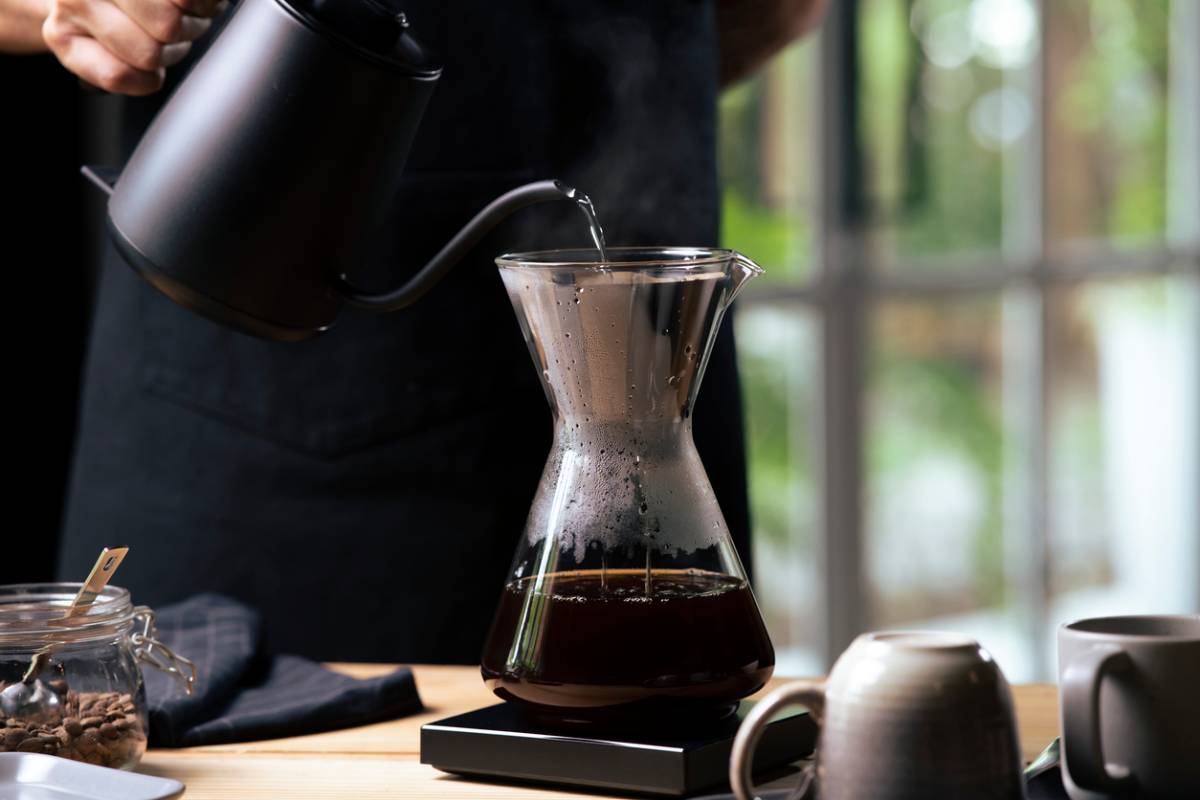
The pour-over coffee method has gained quite a bit of popularity over recent years due to its ability to consistently deliver fantastic flavor. Pour-over coffee involves grinding fresh beans and placing them in a filter that lies on top of a porcelain or metal pour-over mechanism. Hot water is then poured over the grounds slowly, sometimes using a specialized kettle with an elongated spout. The coffee then seeps through the filter into one’s cup.

2. French Press

The French Press is another very popular method of consuming coffee. French Presses are great for groups of people or for parties. The concept underlying a French Press is relatively simple. Coffee is placed at the bottom of a glass cylinder, followed by boiling water. After the water is poured into the container, the coffee is left to steep for a few minutes. After this, a mesh press is clamped down, which presses the coffee grounds to the bottom of the beaker, leaving only the fresh brew to enjoy.

3. Standard Drip

Standard drip machines have been largely sidelined in recent years due to the plethora of other methods that have become available in recent years. That being said, their utility and commonality have ensured that the standard drip machine has a place in society’s heart.

A staple piece of diners and coffee shops, drip machines like the iconic Mr. Coffee electrically boil a large amount of water and run it through a filter, filling a large pot that can deliver many different cups of coffee.

4. Espresso

In many ways, espresso needs no introduction. Pound for pound, espresso may be the world’s most popular method of coffee delivery. Part of this is due to the fact that this remains the most popular – and sometimes only – method of drinking coffee in certain parts of the world, such as Latin America and Europe.

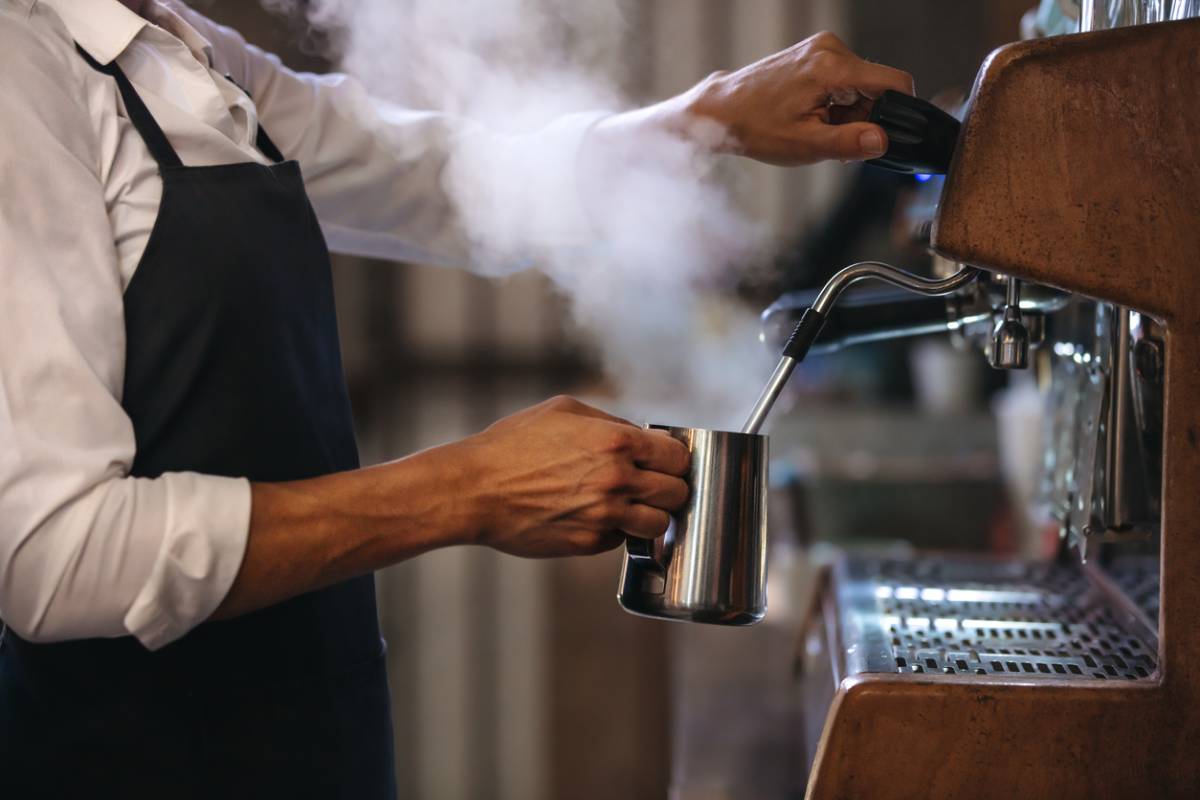
Espresso is also the most complex method of preparing coffee, and properly constitutes a culinary art in itself. Developed in Italy in the early 20th century, espresso utilizes specialty espresso blends of coffee packed into a highly complex rigging of machinery. Espresso machines have many moving pieces, but generally utilize boiling water and steam to create a variety of different beverages.

5. Aeropress

The Aeropress is a relatively new source of coffee preparation, albeit one that is gaining traction as a popular choice. An Aeropress utilizes a simple yet sophisticated contraption that presses a tasty cup of coffee for interested parties. In addition, the Aeropress has developed into a convenient coffee brewing method for those who tend to travel frequently. Even individuals who are camping or backpacking can easily pack a durable Aeropress into their pack and enjoy high-quality coffee wherever they go.

Which Type is Right for Me?

The type of brewing equipment that you decide to go with will oftentimes be somewhat dependent on your mission in terms of preparing coffee. Most commercial spaces will opt for brewing methods that are effective at delivering high volumes of coffee to large numbers of people, such as espresso machines or drip coffee. If you just have a personal setup, an Aeropress or pour-over might be most appropriate.

Southern California’s Beverage King

SC Beverage is a regionally trusted coffee equipment supplier for all things beverage. If you’re interested in updating the equipment of your restaurant or are simply an at-home enthusiast or entrepreneur, contact us today to discuss whether or not we have what you need to get the ball rolling on your ideas.

Share this post: Share on FacebookShare on Google+Tweet about this on TwitterShare on LinkedIn

How to Repair a Commercial Coffee Machine: Troubleshooting Guide

Owning and operating a bustling café or food service establishment comes with its fair share of challenges. Among the most crucial pieces of equipment in this type of business setting is the commercial coffee machine. A steady flow of delicious coffee keeps your customers satisfied, and a well-functioning coffee machine is the heart of your beverage service.

How to Repair a Commercial Coffee Machine: Troubleshooting Guide

However, just like any other mechanical equipment, commercial coffee machines can encounter issues from time to time. It is better to address these issues right away rather than wait for the machines to completely break down. In this article by SC Beverage, your local beverage equipment supplier, we’ll walk you through how to repair a commercial coffee machine with this troubleshooting guide.

Learn the Basics of Your Machine

Before delving into troubleshooting, it’s essential to have a firm grasp of how your commercial coffee machine works. This knowledge will help you more quickly identify issues and invest in better repairs to avoid issues in the future.

Refer to the manufacturer’s manual – if your machine included one – and familiarize yourself with the components, functions, and maintenance requirements of your machine. You may even want to consult with your professional commercial machine supplier to see if there are local repair experts who can walk you through the basics of your coffee maker if you aren’t sure what the source of the damage is.

Diagnose Common Coffee Machine Issues

When it comes to physical equipment, a lot can go wrong. Take note of these common issues and invest in the proper fix as soon as you can:

A Lack of Flowing Water:

If your coffee machine is not dispensing water or coffee as expected, there could be a water flow issue. Check the water reservoir, hoses, and filters for any blockages or leaks. Clean or replace any clogged filters and ensure proper water connectivity before restarting the machine.

Hot or Cold Temperatures:

Inconsistent temperature levels can lead to uneven coffee dispensing, making the beverage taste bad or turn up too cold in the customer’s cup. An easy way to test this is to put a thermometer inside the machine where the water heats up. If the temperature is too high or too low, the heating element or thermostat may need replacement.

Weak Coffee:

If your coffee tastes weak or watery, it might be due to having the wrong amount of water pressure. Adjust your hose according to the manufacturer’s recommendations and your desired coffee strength, and get in touch with repair experts if the problem still continues.

Machine Not Turning On:

If the machine doesn’t power up, check the power source and check to see if the machine is properly plugged in. If it still won’t turn on, examine the power switch, circuit breaker, or power cord for any damage.

Sometimes, you may not be able to identify and troubleshoot coffee machine issues on your own. In that case, getting in touch with one of our beverage experts is recommended so you can properly diagnose the issues within your commercial machine.

Regular Cleaning and Maintenance

Routine cleaning and maintenance are integral to preventing coffee machine issues. Just as a well-maintained engine keeps the whole car running smoothly, a clean coffee machine brews better coffee. For any major restaurant or beverage company, daily cleaning is an absolute necessity. Clean removable parts such as the portafilter, drip tray, and steam wand after each use to prevent residue buildup. Regularly empty and clean the tray so you do not have old liquid overflowing, which also avoids constant phone calls to your local repair service.

Perform a deeper cleaning once a week by backflushing the group head and cleaning the shower screen. Use a group head brush and a cleaning solution designed for coffee machines. Replace water filters and descale the machine’s internal components at least once a month to prevent mineral buildup. You can always refer to the manufacturer’s guidelines for proper descaling procedures.

Update Your Commercial Coffee Machines with SC Beverage

A well-maintained commercial coffee machine ensures that your coffee service runs smoothly, keeping your customers satisfied and your business thriving. By understanding the basics, diagnosing issues, and practicing regular cleaning and maintenance, you can ensure the longevity and reliable performance of your commercial coffee machine. Browse our selection of brand-new commercial coffee equipment when you visit us online or get in touch with us ASAP.

Share this post: Share on FacebookShare on Google+Tweet about this on TwitterShare on LinkedIn

Making the Perfect Cup of Coffee

As coffee lovers, we could spend pages waxing poetic over how to make the perfect, painstaking brew. However, for a busy restaurant, cafe, or bar that simply isn’t practical. It’s time to talk about coffee pragmatically.

Making the Perfect Cup of Coffee

Let’s look at what elements you can put together to create the best cup of joe without locking one employee in place for 5-10 minutes at a time to serve just one customer. In the end, all you really need is the right coffee, the right machinery, and clean water.

The Right Coffee

Investing in high-quality fair-trade coffee doesn’t have to break the bank. Most major coffee brands have boarded the fair trade train, ensuring that the people who produce and harvest your coffee beans are appropriately compensated. Among these brands, you can find every variation of roast and flavor, offering ample opportunity for you to find just the right coffee(s) for your establishment.

In addition to choosing fair trade coffee beans, always opt for whole bean coffee. As long as you store your coffee beans in an airtight container, you will be able to use them for about a month without losing much flavor. By comparison, ground coffee rarely holds its flavor for more than a day or two even when properly sealed. Choosing whole bean coffees offers higher quality and better shelf-life, so it’s a win-win situation.

The Right Machinery

To make the perfect cup of coffee without turning it into a laborious enterprise, you will need three primary components.

Burr Grinders

To grind whole bean coffee, you will need a burr grinder. Blade grinders are a bit cheaper, but they chop the beans rather than evenly grinding them down. A burr grinder crushes the beans, which helps to express their full flavor profile. It’s a must for anyone serious about making quality coffee. In many cases, one grinder is enough. However, a cafe may want to have two, so one of them can be designated for decaffeinated coffee.

Commercial Coffee Makers

To serve a room full of under-caffeinated guests, you’ll need machinery that’s up to the task. Commercial coffee makers make that part easy. They are typically drip-style coffee machines, which offer a relatively fast and effective brew.

When you’re shopping for commercial coffee makers with Southern California Beverage systems, always look into the brew speed and the temperature of the water. Ideally, you want the brew to take about five minutes and the water to be between 195 and 205 degrees Fahrenheit.

A Built-in Water Line Complete with Filter

You can always filter your own water using a filtered jug, but this can be time-consuming when you’re busy. Purchasing a commercial coffee maker that connects to your water line and includes a built-in filter is just easier on a daily basis. Whichever way you decide to do it, just make sure you’re exchanging your filters as suggested by the manufacturer.

Clean Water

As stated above, hot, filtered water is absolutely essential to properly brewing coffee. If the water is below 195 degrees Fahrenheit, then it is unlikely to activate the grounds properly, resulting in less flavorful coffee with a more bitter taste. If the water is unfiltered, then minerals and other impurities will alter the flavor profile of your coffee.

In the long run, your filtration system can’t provide clean water for you without a little help. Depending on your manufacturer’s instructions, parts of your coffee making machinery will have to be cleaned every day, while others may only need monthly cleaning. Sticking with these prescribed cleaning schedules ensures that your coffee will be as safe and delicious as your patrons deserve.

Share this post: Share on FacebookShare on Google+Tweet about this on TwitterShare on LinkedIn